Tiny Home Cabin A Compact Lifestyle
Tiny home cabin living offers a unique blend of affordability and sustainability. This compact lifestyle challenges conventional notions of homeownership, presenting an alternative approach to housing. From innovative designs to eco-friendly construction methods, tiny homes are reshaping the way we think about dwelling spaces. They’re not just about small size; they’re about intentional living and a deeper connection with the environment.
This exploration delves into the multifaceted aspects of tiny home cabins, from initial design considerations and construction methods to the nuances of daily living and the evolving community surrounding this trend. We’ll examine various factors impacting cost, sustainability, and the overall lifestyle, providing insights into this growing movement. The discussion also includes a comprehensive look at different tiny home cabin types, sizes, costs, and available financing options. Furthermore, we will discuss crucial considerations like permitting, regulations, and the social aspects of living in a tiny home community.
Introduction to Tiny Home Cabins
Tiny home cabins represent a growing trend in residential architecture, emphasizing efficiency and sustainability. They are compact living spaces designed to maximize functionality within a smaller footprint. These structures offer an alternative to traditional housing, appealing to those seeking a simpler lifestyle and often lower living costs.
Tiny homes differ significantly from traditional homes in their size, design philosophy, and intended use. They prioritize minimalist living, often incorporating multifunctional furniture and innovative storage solutions. This focus on efficiency and space optimization allows for a greater emphasis on personalization and unique aesthetic choices.
Definition of a Tiny Home Cabin
A tiny home cabin is a dwelling that is significantly smaller than a typical home, typically ranging from 100 to 400 square feet. These structures are designed for single occupancy or small families and prioritize functionality over expansive square footage. Key features often include a kitchenette, bathroom, and sleeping area, all integrated into a compact design.
Key Characteristics of Tiny Homes
Tiny homes are distinguished by their compact size, which drives a design philosophy that prioritizes functionality and efficiency. This often translates into unique interior layouts, using multi-purpose furniture and integrated storage solutions. The smaller footprint also often leads to lower construction costs and reduced utility bills, appealing to environmentally conscious and budget-minded individuals.
Historical Context and Evolution of Tiny Home Living
The concept of tiny home living has roots in various historical movements. Early examples of smaller living spaces can be found in communal living arrangements, as well as historical precedents for efficiency-driven living. The modern resurgence of tiny home living is partly attributed to the increasing popularity of minimalism and the desire for a simpler lifestyle. Factors like economic pressures and a growing interest in sustainable living also contribute to this renewed interest.
Types of Tiny Home Cabins
Various methods exist for constructing tiny home cabins, each with its own advantages and disadvantages.
- Prefabricated Tiny Homes: These homes utilize pre-fabricated components, often manufactured off-site and assembled on-site. This method typically offers faster construction times and potentially lower costs compared to custom-built options. Prefabricated designs can often feature standardized designs, allowing for a quicker turnaround, but might limit customization options.
- Modular Tiny Homes: Modular tiny homes are constructed in sections (modules) off-site and assembled on-site. This method often provides more design flexibility than prefabricated homes, while still offering the potential for quicker construction. The modules are designed and built to specific dimensions and specifications, often with a high degree of precision.
- Custom-Built Tiny Homes: These are designed and built from the ground up, offering the greatest level of customization. Architects and builders collaborate with clients to create a unique space that meets their specific needs and aesthetic preferences. The design and construction process can be more time-consuming and potentially more costly than prefabricated or modular options.
Materials Commonly Used in Tiny Home Construction, Tiny home cabin
The selection of materials for tiny home construction often depends on factors such as budget, desired aesthetics, and structural needs.
| Material | Description | Advantages |
|---|---|---|
| Wood | Commonly used for framing, flooring, and cabinetry. Different types of wood offer varying levels of durability and aesthetic appeal. | Offers a warm aesthetic, is relatively easy to work with, and is readily available. |
| Metal | Steel or aluminum are often used for framing and roofing, offering strength and durability. | Provides strength and longevity, and can be more resistant to environmental damage than wood. |
| Composite Materials | Materials like fiber cement or engineered wood products offer a balance between affordability and durability. | May offer a better balance between cost and performance compared to other options. |
| Insulation | Proper insulation is crucial for energy efficiency. Options include fiberglass, cellulose, and spray foam. | Reduces energy consumption and improves comfort levels. |
Design and Layout Considerations
Source: utopian-villas.com
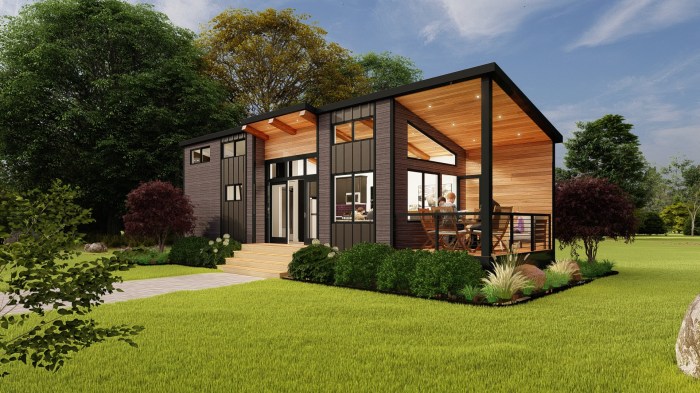
Tiny home cabins offer a compelling blend of space efficiency and sustainable living. Careful design and layout are crucial for maximizing functionality and creating a comfortable living environment within a compact footprint. This section explores various aspects of tiny home cabin design, from basic floor plans to sustainable choices.
Tiny home cabins, by their very nature, necessitate a thoughtful approach to space optimization. The limited square footage necessitates creative solutions to accommodate essential living areas while maintaining aesthetic appeal. Different layouts offer various advantages and disadvantages, and the choice will often depend on individual needs and preferences.
Basic Floor Plan for a 200 sq ft Tiny Home Cabin
A 200 sq ft tiny home cabin presents a significant challenge in integrating all necessary amenities. A basic floor plan might include a lofted sleeping area, a compact bathroom with a shower/toilet combination, and a kitchenette with a small sink and stovetop. Storage solutions, such as built-in shelving and under-bed storage, are critical to maximizing space.
Pros and Cons of Different Interior Layouts
Various interior layouts cater to different needs and preferences. A popular layout places the bed on a loft above the living area to maximize ground space. This allows for a larger kitchen and bathroom or a combined living/dining space. However, lofted beds can sometimes feel cramped and require careful consideration of headroom. Conversely, a ground-level bed arrangement can make the cabin feel more spacious but may require a more intricate layout to accommodate the bed, kitchen, and bathroom.
Comparison of Tiny Home and Traditional House Layouts
Tiny homes prioritize efficiency and multi-functional spaces, often employing a galley kitchen or a kitchenette with integrated storage. Traditional houses, on the other hand, frequently feature separate living, dining, and kitchen areas, offering more individual zones but also requiring a larger footprint. The trade-off between individual space and overall living area is a key consideration in both types of homes. Traditional houses often sacrifice the space efficiency found in tiny homes.
Key Design Elements for a Functional and Aesthetically Pleasing Space
Creating a functional and appealing tiny home requires careful consideration of several design elements. Clever use of storage solutions, such as built-in shelving and pull-out drawers, is vital for maximizing space and maintaining order. Utilizing light and airy colors can visually enlarge the space. Selecting durable and easy-to-clean materials is also important.
Importance of Natural Light and Ventilation in Tiny Homes
Natural light and ventilation are essential for creating a pleasant and healthy living environment. Large windows, skylights, and strategically placed vents can significantly improve the space’s ambiance. Good ventilation is also crucial for preventing moisture buildup and maintaining indoor air quality. In tiny homes, maximizing natural light and ventilation is especially important to combat the feeling of being enclosed.
Sustainable Design Choices for Tiny Homes
Sustainable design choices are paramount in tiny home construction. Using reclaimed wood, recycled materials, and energy-efficient appliances can significantly reduce the environmental impact. Solar panels, rainwater harvesting systems, and composting toilets are examples of sustainable features. These choices not only reduce the environmental footprint but also often result in lower operating costs over the long term.
Comparison Table of Tiny Home Cabin Sizes
| Size (sq ft) | Approximate Cost | Key Features |
|---|---|---|
| 150 | $30,000 – $40,000 | Basic Kitchen, Bathroom, Bedroom |
| 200 | $35,000 – $50,000 | Basic Kitchen, Bathroom, Bedroom, Limited Living Space |
| 250 | $40,000 – $60,000 | Larger Kitchen, Separate Living Area |
Building and Construction
Tiny home cabins offer a unique blend of affordability and sustainability. Their construction requires careful consideration of materials, methods, and local regulations. The process, from laying the foundation to the final touches, demands meticulous planning and execution.
Building a tiny home is a rewarding but complex endeavor. It necessitates understanding the specifics of each stage, from selecting appropriate materials to adhering to building codes. Thorough planning and attention to detail are crucial to the success of the project.
Building Methods for Tiny Homes
Different methods cater to varying budgets and skill levels. Pre-fabricated components, often assembled on-site, are popular for their speed and potential cost savings. Alternatively, building a tiny home from scratch allows for customization and precise control over every aspect. Hybrid approaches combining pre-fab elements with on-site construction are also common, balancing efficiency and personalization.
Construction Materials
Sustainable and durable materials are key considerations in tiny home construction. Plywood, oriented strand board (OSB), and metal framing are common choices for structural elements. Insulation options include fiberglass, cellulose, or spray foam, each offering unique thermal properties. Exterior cladding can be made from various materials like wood, vinyl siding, or metal. Choosing the right materials contributes significantly to the home’s energy efficiency and longevity.
Eco-Friendly Building Techniques
Utilizing sustainable practices in tiny home construction is increasingly important. Employing recycled or reclaimed materials for components like flooring or siding is a great way to minimize environmental impact. Passive solar design, maximizing natural light and minimizing energy consumption, is a valuable feature to integrate. Using energy-efficient appliances and incorporating green building principles ensures long-term sustainability. Examples of these techniques include incorporating solar panels for electricity generation and rainwater harvesting systems for water conservation.
Steps in Constructing a Tiny Home
Constructing a tiny home involves a series of crucial steps:
- Foundation Preparation: The foundation’s stability is paramount. Properly prepared ground ensures the structural integrity of the entire cabin.
- Framing: The framing system provides the structural backbone. Carefully measured and installed frames ensure the structural integrity of the tiny home.
- Sheathing and Insulation: This layer creates the home’s protective barrier and controls temperature fluctuations. Proper insulation reduces energy consumption.
- Exterior Finishing: The exterior cladding protects the tiny home from the elements. Careful selection of materials and installation methods ensures durability and aesthetics.
- Interior Finishing: Interior components like walls, flooring, and ceilings are installed. Careful attention to detail ensures the interior is functional and attractive.
- Plumbing and Electrical Systems: Installation of these systems needs meticulous attention to safety and functionality.
- Exterior Finishes and Landscaping: The final touches like painting and landscaping add a personal touch and enhance the appeal of the tiny home.
Common Construction Challenges
Tiny home construction presents unique challenges. Maintaining structural integrity within a compact footprint can be difficult. Balancing aesthetics with functionality within a limited space requires careful consideration. Working within stringent building codes and regulations can be complex, requiring in-depth knowledge of local ordinances. Time management and budget control are also significant concerns.
Permits and Regulations
Obtaining necessary permits and adhering to local regulations are critical. Different regions have varying requirements.
| Region | Permits Required | Regulations |
|---|---|---|
| California | Building permit, electrical permit, plumbing permit | Setback requirements, height restrictions |
| Oregon | Building permit, septic system permit | Lot size restrictions, water usage limits |
Living and Maintenance
Living in a tiny home cabin necessitates a shift in lifestyle, emphasizing mindful living and space optimization. Careful planning and adaptation are key to maximizing comfort and minimizing the challenges inherent in a smaller living space. This section details strategies for maximizing space, managing utilities, and handling waste disposal, along with the maintenance needs for various components of a tiny home cabin. Understanding these aspects is crucial for successful tiny home living.
Lifestyle Considerations for Tiny Home Living
Adapting to a smaller living space requires a conscious shift in lifestyle. Individuals should embrace minimalism, decluttering regularly, and focusing on essential items. This lifestyle promotes a simpler, more intentional approach to daily life. Tiny home living encourages a more intentional approach to possessions and encourages mindful consumption.
Maximizing Space and Storage
Optimizing space and storage in a tiny home cabin is paramount. Vertical space should be utilized effectively with shelves, wall-mounted cabinets, and lofted beds. Multi-functional furniture pieces, such as ottomans with storage or beds with drawers, are highly beneficial. Innovative storage solutions are key. Consider using stackable storage containers, drawer organizers, and clear containers to maintain order and keep clutter at bay.
Managing Utilities and Energy Consumption
Efficient management of utilities and energy consumption is crucial in tiny homes. Selecting energy-efficient appliances and lighting is essential. Utilizing passive solar design principles, such as strategically placed windows and insulation, can reduce energy needs. Consider implementing a smart home system for automated controls and monitoring energy usage. Using energy-efficient appliances and LED lighting can significantly reduce energy consumption.
Waste Disposal and Water Management
Waste disposal and water management present unique challenges in tiny homes. Composting toilets and greywater systems are viable options for waste reduction. Water conservation measures, such as low-flow faucets and showerheads, are crucial. Rainwater harvesting systems can supplement water needs and reduce reliance on municipal water sources. Wastewater management solutions should be considered early in the design phase.
Maintenance Requirements
Regular maintenance is essential for the longevity and functionality of a tiny home cabin. This includes routine checks of plumbing, electrical systems, and insulation. Regular cleaning and maintenance of appliances and fixtures are important to prevent issues. Inspecting and maintaining the roof, siding, and windows is vital. Regular maintenance of components like the roof, windows, and appliances is vital for preventing larger problems.
Creative Outdoor Living Spaces
Creating engaging outdoor living spaces in tiny homes requires creativity and resourcefulness. Small decks, patios, or balconies can provide outdoor seating and dining areas. Vertical gardens and raised planters can maximize space utilization. Outdoor kitchens and fire pits can create a cozy atmosphere. Integrating outdoor living areas can significantly enhance the tiny home experience. Consider incorporating small, elevated decks or balconies for outdoor living. Utilize vertical space for planters and other features to maximize the outdoor experience.
Cost and Affordability
Tiny homes, while offering a compelling lifestyle shift, come with a unique set of financial considerations. Understanding the costs involved, financing options, and how they compare to traditional housing is crucial for potential buyers. This section delves into the financial aspects of building or purchasing a tiny home.
The overall cost of a tiny home is significantly lower than a conventional home, but this depends on factors like size, materials, and features. It’s essential to carefully weigh these costs against the potential benefits and lifestyle changes a tiny home offers.
Cost Breakdown
The costs associated with a tiny home are multifaceted. Initial costs include land preparation (if applicable), permits, design fees, and materials. Labor costs can vary greatly depending on whether you’re building it yourself or hiring contractors. Specialized components like appliances, plumbing, and electrical systems also contribute to the overall price.
Financing Options
Several financing options are available for tiny home purchases. Traditional mortgages are often not directly applicable, making the search for specialized financing crucial. Explore tiny home loans, which are tailored for smaller structures, or consider loans from credit unions or banks. Government programs and grants may also provide support, although eligibility criteria vary. Be prepared to provide comprehensive documentation about the project, and have a clear budget and plan.
Comparison with Traditional Homes
Tiny homes typically cost less than traditional homes, especially considering the smaller square footage and simpler designs. The savings can be substantial, allowing for a more manageable down payment and potentially lower ongoing costs, including lower utility bills and reduced property taxes. However, factors like land costs and the need for specialized financing can impact the overall affordability equation.
Factors Influencing Tiny Home Prices
Several factors affect the price of a tiny home. The size of the home is a significant determinant, with larger homes naturally commanding higher costs. The choice of materials, particularly high-quality or custom options, will also affect the price. The complexity of the design and features, such as luxurious fixtures or specialized amenities, contribute to higher costs. Building location can also play a role, as land costs and zoning regulations may vary. Finally, the availability of skilled labor and construction time can influence the final cost.
Financing Options Table
| Financing Option | Description | Pros | Cons |
|---|---|---|---|
| Traditional Mortgage | Standard home loan | Established process and wider availability | Potentially higher interest rates, may require a larger down payment, and less flexibility for tiny homes. |
| Tiny Home Loan | Loan specifically designed for tiny homes. | Often easier approval process due to streamlined requirements and potentially lower interest rates. | Limited availability and may require specific documentation or pre-approval. |
| Construction Loan | Loan to cover the costs of building a tiny home. | Allows for financing the entire construction process. | Potentially more complex application process and potentially higher interest rates. |
| Home Equity Line of Credit (HELOC) | Using existing home equity to fund a tiny home. | Access funds quickly. | Can lead to high interest rates, and could jeopardize the borrower’s existing home. |
Community and Culture
The tiny home movement is more than just a trend; it’s a burgeoning community fostering unique social dynamics and cultural shifts. Tiny home enthusiasts are often drawn together by a shared desire for a simpler, more sustainable lifestyle. This shared ethos creates a strong sense of community, evident in online forums, dedicated events, and physical communities.
The emphasis on resourcefulness, creativity, and self-sufficiency in tiny home construction and living has resonated with a broad spectrum of people, fostering a unique cultural expression. This includes a growing network of support and collaboration, offering assistance, resources, and inspiration to newcomers.
Tiny Home Enthusiast Communities
The tiny home movement has spawned a vast network of online communities and in-person gatherings. These communities provide support, resources, and inspiration for those interested in this lifestyle. Forums, social media groups, and dedicated websites serve as vital hubs for sharing experiences, asking questions, and receiving guidance.
Examples of Tiny Home Communities and Gatherings
Numerous examples exist showcasing the burgeoning tiny home community. One notable example is the annual Tiny House Jamboree, an event attracting hundreds of attendees to showcase and celebrate tiny home living. These gatherings often include workshops, demonstrations, and opportunities for networking. Furthermore, several towns and cities are actively embracing tiny home living by allowing or encouraging the development of tiny home communities.
Cultural Impact of Tiny Home Living
The shift towards tiny home living reflects broader cultural trends towards sustainability, minimalism, and a re-evaluation of material possessions. This lifestyle choice demonstrates a growing appreciation for resourcefulness, efficiency, and a simpler, less materialistic existence. The movement has a clear cultural impact by encouraging a focus on experiences over possessions and emphasizing the value of shared living spaces.
Social Aspects of Tiny Home Living
Tiny home living fosters a unique social dynamic. The close proximity of shared spaces and the emphasis on community often lead to strong interpersonal connections. The shared values and experiences create a strong sense of camaraderie, support, and mutual respect among community members. This is further supported by the collaborative nature of tiny home building and maintenance, often involving neighbors and friends. For instance, tiny home communities can organize workshops and gatherings, fostering a sense of belonging and shared purpose.
Closing Summary: Tiny Home Cabin
In conclusion, tiny home cabins offer a compelling alternative to traditional housing. The compact design, often prioritizing sustainability and functionality, resonates with those seeking a more minimalist lifestyle. While challenges such as permitting and financing exist, the growing community and innovative designs demonstrate the increasing popularity and potential of this housing approach. The affordability and environmental consciousness associated with tiny home living continue to make it an attractive option for a wide range of individuals and families.