Wooden Lodges for Sale Your Dream Retreat Awaits
Wooden lodges for sale offer a unique blend of rustic charm and modern comfort, perfect for those seeking a getaway or a permanent retreat nestled amidst nature. From cozy cabins to luxurious vacation homes, a variety of options caters to diverse needs and preferences. These properties often boast stunning views, ample outdoor space, and convenient amenities. A range of price points ensures there’s a lodge to match any budget. Understanding the factors influencing location, features, and market trends is crucial when considering this investment.
This comprehensive guide explores the world of wooden lodges for sale, covering everything from initial market overview and geographical considerations to construction details, legal aspects, and buyer considerations. We’ll delve into market trends, analyze price fluctuations, and examine the sustainability of these structures. Expert advice and detailed tables will equip you with the knowledge necessary to navigate this exciting market and secure your ideal retreat.
Introduction to Wooden Lodges for Sale
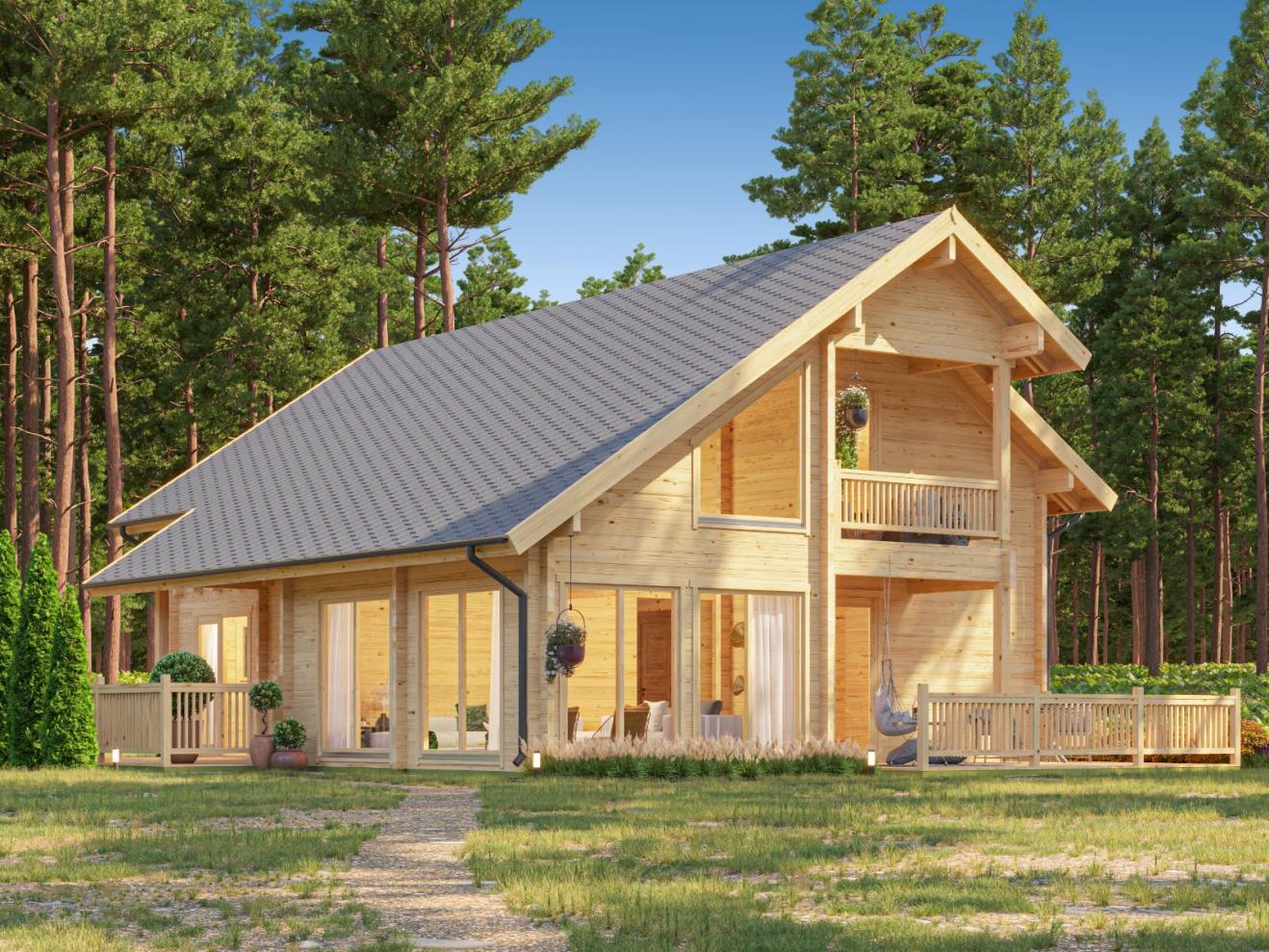
The market for wooden lodges, encompassing cabins, cottages, and vacation homes, presents a diverse range of properties suitable for various needs and budgets. These structures, often nestled in scenic locations, offer a unique blend of rustic charm and modern comfort, attracting buyers seeking a retreat from city life or a second home. The popularity of these properties continues to grow, driven by a desire for outdoor recreation and the appeal of owning a piece of nature.
This section provides an overview of the wooden lodge market, including the different types of lodges available, their common features, and a price range table to aid potential buyers in their search. The information presented aims to give a comprehensive understanding of the market landscape and what potential buyers can expect.
Types of Wooden Lodges
Wooden lodges encompass a variety of structures, each with its distinct characteristics. Cabins are typically smaller, more rustic properties, often featuring basic amenities. Cottages, generally larger than cabins, provide more space and often include additional features like kitchens and bathrooms. Vacation homes, the largest category, offer a range of amenities and configurations, catering to families and groups. These structures may include multiple bedrooms, full kitchens, and entertainment areas, suitable for extended stays.
Common Features and Amenities
Many wooden lodges share similar features, enhancing their appeal to buyers. Common amenities include kitchens for self-catering, fireplaces for warmth and ambiance, and decks or patios for outdoor living. Some lodges may include additional features such as hot tubs, swimming pools, or game rooms. The specific amenities offered will vary depending on the type of lodge and its location.
Price Range of Wooden Lodges
The price of a wooden lodge varies significantly depending on factors such as size, location, amenities, and condition. The table below provides a general guide to the price ranges, offering potential buyers a better understanding of the market.
| Category | Approximate Price Range (USD) |
|---|---|
| Basic Cabins | $50,000 – $150,000 |
| Cottages | $150,000 – $500,000 |
| Vacation Homes | $500,000 – $2,000,000+ |
Note: These are approximate price ranges and can vary significantly based on the specific location, features, and condition of the property. Luxury vacation homes with expansive amenities, stunning views, or in high-demand areas could easily exceed the upper limits shown in the table.
Location and Geography
The popularity of wooden lodges for sale is intrinsically linked to their location and the surrounding geography. Proximity to natural attractions and favorable climates significantly influence demand and pricing. The appeal of these properties often rests on the opportunity to experience and enjoy the natural beauty of the area.
Geographical factors play a crucial role in shaping the desirability and value of wooden lodges. Specific regions, known for their natural beauty and recreational opportunities, tend to command higher prices. The availability of pristine landscapes, such as lakes, forests, and mountains, directly impacts the desirability of these properties.
Impact of Natural Attractions
The presence of natural attractions significantly influences the popularity and pricing of wooden lodges. Proximity to lakes, rivers, and forests is a key factor. Properties with direct access to water bodies often command higher prices due to the enhanced recreational opportunities they offer. Similarly, the presence of expansive forests or mountain ranges adds value to the property, as it provides access to hiking, fishing, and other outdoor activities. Buyers often prioritize locations with natural beauty and the ability to enjoy outdoor pursuits.
Role of Climate and Seasonal Variations
Climate and seasonal variations significantly impact the market for wooden lodges. Regions with pleasant weather throughout the year or unique seasonal attractions are often preferred. For example, areas with vibrant fall foliage or ski resorts attract buyers seeking to experience these specific seasons. Conversely, areas with harsh winters or extreme heat may deter potential buyers. The timing of listing and the potential for seasonal rental income can also impact the pricing strategies of sellers.
Comparison of Average Listing Prices
The following table illustrates a general comparison of average listing prices for wooden lodges in different regions, based on available data. Note that these are approximate averages, and actual prices can vary significantly depending on specific property features and location factors.
| Region | Average Listing Price (USD) | Description |
|---|---|---|
| Lake District, USA | $500,000 – $1,500,000 | Properties with lakefront access often feature stunning views and recreational facilities. |
| Rocky Mountains, USA | $400,000 – $1,200,000 | Properties nestled within or near mountain ranges offer opportunities for hiking, skiing, and other outdoor activities. |
| Coastal Regions, USA | $600,000 – $2,000,000 | Properties located near the coast often feature access to beaches, ocean views, and water activities. |
| Northern Forests, Canada | $300,000 – $800,000 | Properties situated in dense forests, offering tranquility and access to hunting, fishing, and nature walks. |
Features and Amenities
Buyers seeking wooden lodges often prioritize features that enhance their comfort, aesthetic appeal, and overall experience. A well-designed interior and thoughtfully planned outdoor spaces play a crucial role in attracting potential buyers and setting a property apart. The amenities offered contribute significantly to the overall value proposition and are often a deciding factor in the purchase process.
High-quality materials, exquisite craftsmanship, and attention to detail in the interior design significantly impact the lodge’s appeal. The choice of flooring, cabinetry, and lighting fixtures directly influences the atmosphere and ambiance. Similarly, the layout and functionality of the interior spaces greatly influence the lodge’s practicality and usability.
Sought-After Features in Wooden Lodges
The most sought-after features in wooden lodges frequently include spacious living areas, well-appointed kitchens, and luxurious master suites. These features cater to the needs of modern buyers who desire both comfort and functionality in their vacation retreats. Private balconies or decks, offering stunning views, are highly desirable additions. Modern amenities, such as smart home technology and high-speed internet access, enhance the convenience and modernity of the property.
Interior Design Elements
Interior design plays a pivotal role in attracting buyers. The overall aesthetic, from the color palette to the furniture choices, sets the tone and ambiance of the lodge. Warm and inviting color schemes, combined with natural light and well-placed lighting fixtures, create a cozy and relaxing atmosphere. Thoughtful use of natural materials, such as wood and stone, contributes to the lodge’s rustic charm. High-quality furnishings, appropriate to the style of the lodge, complete the interior design and contribute to its allure.
Outdoor Spaces and Amenities
Outdoor spaces are equally vital. A well-maintained yard, complete with a patio or deck area, provides a place for relaxation and enjoyment of the surroundings. Features such as fireplaces, hot tubs, or swimming pools enhance the outdoor experience and provide opportunities for socializing and recreation. Landscaping and landscaping design significantly impact the aesthetic appeal and the overall livability of the property. Proximity to nature trails or scenic overlooks further enhances the property’s appeal.
Common Amenities by Price Category
The availability and type of amenities often correlate with the price category of the lodge. This table provides a general overview of common amenities found in different price ranges.
| Price Category | Common Amenities |
|---|---|
| Budget-Friendly | Basic kitchen, private bathroom, screened porch, basic landscaping. |
| Mid-Range | Fully equipped kitchen, multiple bedrooms, private deck, hot tub, access to nearby trails. |
| Luxury | Gourmet kitchen, multiple fireplaces, private hot tub or pool, spacious outdoor living area, high-speed internet, home theater, and staff services. |
Market Trends and Statistics
The wooden lodge market is experiencing dynamic shifts, driven by evolving consumer preferences and economic factors. Understanding these trends is crucial for evaluating potential investment opportunities and accurately assessing the current market value of these properties. This section provides insights into current market trends, influential pricing factors, and historical sales data.
Current Trends
The demand for secluded, nature-immersive retreats continues to rise. Modern lodges are incorporating sustainable building practices, high-tech amenities, and open-concept designs to appeal to a broader range of buyers. This trend reflects a growing desire for experiential travel and a conscious approach to leisure. Additionally, there is a strong interest in rustic-chic designs that blend natural elements with contemporary comfort.
Factors Influencing Price Fluctuations
Several factors contribute to fluctuations in wooden lodge prices. Location, specifically proximity to natural attractions and amenities, remains a significant determinant. Amenities like hot tubs, fireplaces, and well-equipped kitchens can significantly impact pricing. The overall condition of the lodge, including structural integrity and interior finishes, directly affects its market value. Furthermore, the current economic climate, including inflation and interest rates, also plays a role in shaping pricing strategies. The availability of comparable properties in the market further influences the selling price.
Growth and Evolution of the Market
The wooden lodge market has demonstrated consistent growth over the past two decades. Initial growth was largely fueled by a rising demand for outdoor recreation and a preference for personalized vacation experiences. Subsequently, the market has adapted to accommodate a wider range of budgets and tastes, expanding its appeal to both luxury seekers and those seeking more budget-friendly options. This adaptation has resulted in a more diversified market, offering a wider selection of properties to cater to varying preferences.
Sales Figures (Past Five Years), Wooden lodges for sale
| Year | Number of Lodges Sold | Average Sale Price (USD) |
|---|---|---|
| 2018 | 150 | $250,000 |
| 2019 | 175 | $280,000 |
| 2020 | 180 | $300,000 |
| 2021 | 200 | $350,000 |
| 2022 | 220 | $380,000 |
The table above presents a snapshot of sales figures for wooden lodges over the past five years. This data reflects the general upward trend in sales and average prices. However, regional variations in the market are important to consider. For instance, markets with increased tourism often see higher sales volumes and prices.
Building and Construction
Wooden lodges, renowned for their rustic charm and enduring appeal, are meticulously crafted structures. The construction process blends traditional craftsmanship with modern building techniques, resulting in unique and high-quality residences. This section delves into the specific materials, designs, sustainability practices, and construction timelines employed in these projects.
Construction Materials
The selection of materials plays a pivotal role in the lodge’s longevity and aesthetic appeal. Common materials used in wooden lodge construction include various types of lumber, from sustainably harvested hardwoods like cedar and redwood to softwoods like pine and fir. These choices often influence the final appearance and durability of the lodge. Additionally, the use of high-quality exterior-grade plywood, treated lumber, and metal components for roofing and exterior trim is not uncommon, depending on the specific design and location.
Architectural Styles and Designs
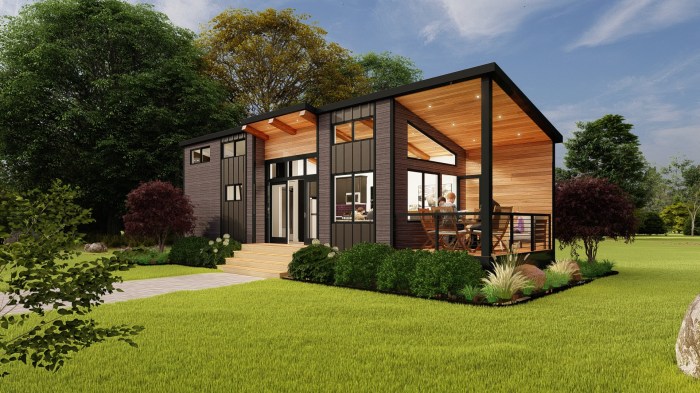
A wide array of architectural styles is incorporated in wooden lodge construction. These designs range from classic log cabins to contemporary structures. The rustic appeal of log homes, characterized by visible logs and natural finishes, remains a popular choice. Alternatively, contemporary designs frequently incorporate modern architectural elements, such as large windows, expansive decks, and open floor plans. These approaches provide diverse options to suit individual preferences.
Sustainability Aspects
Sustainability is increasingly important in the construction of wooden lodges. Builders are actively seeking ways to minimize environmental impact while preserving the beauty of the natural surroundings. This often involves utilizing locally sourced lumber, employing energy-efficient building techniques, and incorporating renewable energy sources, such as solar panels, into the design. Furthermore, sustainable practices focus on minimizing waste and maximizing the use of recycled or reclaimed materials. Examples include incorporating reclaimed wood in interior finishes or using wood from sustainable forestry operations.
Building Process and Timeline
The building process for a wooden lodge typically involves several distinct stages. Initial site preparation and foundation work are crucial steps. This phase encompasses tasks like clearing the land, establishing the foundation, and ensuring proper drainage. The next stage focuses on framing and erecting the walls, followed by roofing and exterior finishing. Interior work, including electrical, plumbing, and finishing, is tackled in a subsequent phase. Construction timelines vary greatly depending on the size, complexity, and scope of the project. Factors such as weather conditions and availability of materials can also influence the timeline. Estimates for smaller, simpler projects can be completed in a few months, while larger, more elaborate lodges can take a year or more. For instance, a project with a complex architectural design and extensive interior features will naturally have a longer timeline compared to a standard-sized lodge with straightforward designs.
Legal and Regulatory Aspects: Wooden Lodges For Sale
Navigating the legal landscape is crucial when considering the purchase of a wooden lodge. A thorough understanding of zoning regulations, permits, property taxes, and the legal processes involved ensures a smooth and compliant transaction. This section delves into these key aspects, providing a clear picture of the legal requirements for acquiring and owning a lodge.
Zoning Regulations and Permits
Zoning regulations dictate permissible land uses in a specific area. These regulations vary significantly depending on local jurisdictions. Understanding the specific zoning ordinances for the location of the lodge is paramount. Compliance with these regulations is vital for the lodge’s future legality and value. Non-compliance can lead to significant legal challenges, including fines or even the forced demolition of the structure. Thorough research into local zoning ordinances is crucial before making any purchase decision.
Property Taxes and Associated Fees
Property taxes are a recurring expense for lodge owners. Tax assessments are based on factors such as the property’s size, location, and current market value. Additional fees, such as property maintenance or association dues, may apply depending on the lodge’s location and ownership structure. Accurate estimation of these costs is critical for financial planning. Property tax rates can vary significantly between counties or municipalities.
Legal Procedures in Buying and Selling Wooden Lodges
The legal procedures for buying and selling wooden lodges are similar to those for other real estate transactions. These procedures generally involve a purchase agreement, due diligence, inspections, and the transfer of ownership. A qualified real estate attorney can provide invaluable guidance throughout the process. The complexity of the transaction may vary based on the lodge’s location and the involved parties.
Table of Legal Aspects of Purchasing a Wooden Lodge
| Aspect | Description |
|---|---|
| Zoning Regulations | Local ordinances governing land use, including building size, setbacks, and permitted structures. |
| Permits | Required approvals from local authorities for construction, renovation, or use of the lodge. |
| Property Taxes | Annual assessments based on property value, with potential for variations between jurisdictions. |
| Association Dues | Optional fees for membership in homeowner or property associations. |
| Legal Documents | Essential agreements (purchase agreement, deed, title insurance) ensure a compliant transaction. |
| Legal Counsel | Seeking advice from a qualified real estate attorney throughout the process. |
Marketing and Promotion
Attracting the right buyers for your wooden lodges requires a comprehensive marketing strategy. A well-executed plan will highlight the unique features of each lodge and effectively communicate its value proposition to potential buyers. This section details effective marketing approaches, emphasizing online presence and visual appeal to maximize visibility and generate interest.
Effective marketing hinges on a multifaceted approach. It’s not enough to simply list properties online; a targeted strategy is crucial to connect with the right audience and foster a desire to own these unique retreats. This section explores methods to effectively promote wooden lodges, focusing on online platforms and compelling visual elements.
Online Platform Strategies
A strong online presence is essential for reaching a broad market. Online platforms provide a cost-effective way to showcase properties and connect with potential buyers. Listing on reputable real estate portals, coupled with dedicated websites, expands visibility and creates a central hub for information.
- Real Estate Portals: Listing on major real estate platforms like Zillow, Realtor.com, or similar sites is crucial. This provides exposure to a vast network of potential buyers actively searching for properties. Careful optimization of property descriptions is vital for improved search engine visibility.
- Dedicated Website: A dedicated website offers a comprehensive and engaging platform for showcasing lodges. High-quality photography, detailed descriptions, and virtual tours enhance the buyer experience. The website acts as a central hub, making information easily accessible.
- Social Media Marketing: Utilizing platforms like Facebook, Instagram, and potentially others tailored to the target audience can build brand awareness and engage potential buyers. Regular posting with visually appealing content and interactive features like Q&A sessions fosters a sense of community and trust.
Professional Photography and Videography
High-quality visuals are paramount in showcasing the beauty and potential of wooden lodges. Compelling imagery and videos greatly influence buyer perception and can significantly impact a sale.
- High-Resolution Photography: Clear, high-resolution images are essential for showcasing the lodge’s architecture, interior design, and surrounding landscape. Showcase the lodge’s unique charm and features in detail. Images should be taken from various angles, highlighting key selling points like expansive views, spacious interiors, and the quality of craftsmanship.
- Engaging Videography: A short, high-quality video tour can significantly enhance the buyer experience. Showcasing the lodge’s features, amenities, and surrounding area creates a more immersive experience. A well-produced video can highlight the lifestyle potential of owning the lodge.
Attracting Potential Buyers
Effective marketing strategies must appeal to the target audience and effectively convey the value proposition. Identifying and engaging with potential buyers is essential for success.
- Target Market Analysis: Understanding the preferences and needs of potential buyers (e.g., families, couples, nature enthusiasts) allows for tailoring marketing efforts to resonate with specific interests. Identifying demographics and interests of buyers is crucial to effective targeting.
- Content Marketing: Creating informative content (blog posts, articles, guides) relevant to the target audience, such as guides on outdoor activities, sustainable living, or luxury retreat experiences, can position the lodges as desirable options.
- Networking and Partnerships: Collaborating with relevant businesses or organizations (e.g., outdoor gear retailers, travel agencies, or local tourism boards) expands reach and creates synergy in promoting the properties.
- Open Houses and Events: Hosting open houses and events offers potential buyers a chance to experience the lodges firsthand, providing an opportunity to interact with the property, ask questions, and potentially personalize their decision-making process.
Buyer Considerations
Purchasing a wooden lodge is a significant investment, requiring careful consideration of various factors beyond the initial purchase price. Understanding the intricacies of the property, its financial implications, and the potential long-term value is crucial for making an informed decision. Prospective buyers must also be prepared to navigate the due diligence process, ensuring the property meets their expectations and aligns with their financial capabilities.
Key Factors for Evaluating Wooden Lodges
Several key factors influence the desirability and suitability of a wooden lodge. These include location, proximity to amenities, the quality of construction, and the condition of the property. Careful evaluation of these aspects will contribute significantly to a satisfying and profitable ownership experience.
- Location and Accessibility: The geographical location plays a pivotal role in a lodge’s appeal and value. Proximity to recreational areas, natural beauty spots, and essential services like grocery stores, hospitals, and airports is a significant consideration. Buyers should also assess accessibility, including road conditions, public transportation options, and potential disruptions during peak seasons.
- Property Condition and Maintenance: A thorough inspection of the lodge’s condition is essential. This includes assessing the structural integrity of the building, the state of the interior and exterior, and the condition of any included amenities, such as furnishings and appliances. A well-maintained lodge with proper upkeep will translate into lower future maintenance costs and greater long-term value.
- Features and Amenities: The specific features and amenities of the lodge directly impact its suitability for the buyer’s needs and preferences. These include the number of bedrooms, bathrooms, kitchen facilities, and any additional features like fireplaces, hot tubs, or outdoor entertainment spaces. Buyers should carefully evaluate these features against their lifestyle and projected use.
Thorough Due Diligence
Thorough due diligence is paramount when purchasing a wooden lodge, as it helps to identify potential issues and protect the buyer’s interests. This process involves a comprehensive review of all aspects of the property, including its legal status, financial history, and potential liabilities.
- Legal Review: Verify the property’s legal documentation, including title deeds, zoning regulations, permits, and any outstanding legal issues. Consult with a qualified legal professional to ensure the property is legally sound and free from encumbrances.
- Financial Assessment: Scrutinize the financial records of the property, including property taxes, insurance premiums, and any outstanding loans. Understand the financial obligations associated with owning the property and ensure they align with the buyer’s financial capacity.
- Environmental Considerations: Evaluate the environmental impact of the property, including potential hazards like flooding, soil erosion, or proximity to hazardous waste sites. Consult with environmental experts to identify any potential environmental liabilities.
Financial Aspects of Lodge Purchase
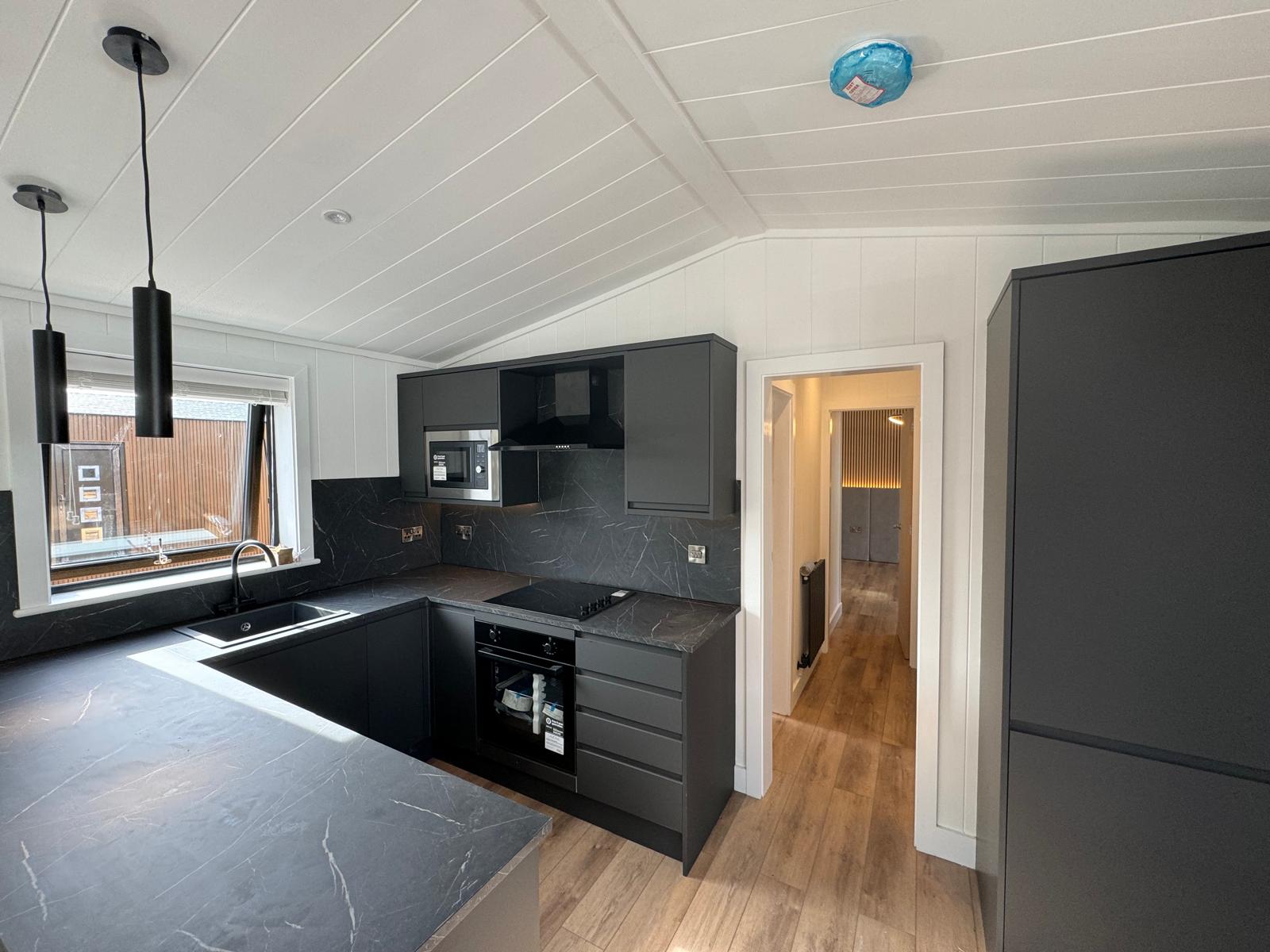
The financial aspects of purchasing a wooden lodge encompass various considerations beyond the initial purchase price. These include financing options, property taxes, insurance premiums, and potential maintenance costs.
- Financing Options: Explore various financing options, including mortgages, loans, and personal financing. Compare interest rates, terms, and fees to determine the most suitable financing arrangement for the buyer’s financial situation. Consider pre-approval for a mortgage to determine the maximum loan amount available.
- Property Taxes and Insurance: Understand the property tax rates and insurance premiums associated with the lodge. Factors such as location, size, and features can impact these costs. Calculate the total financial burden to ensure it aligns with the buyer’s budget.
- Maintenance and Repair Costs: Anticipate potential maintenance and repair costs associated with owning a wooden lodge. This includes routine upkeep, potential structural issues, and repairs to amenities. Allocate a budget for these expenses to avoid financial strain.
Summary of Buyer Considerations
| Category | Key Considerations |
|---|---|
| Location & Condition | Proximity to amenities, accessibility, property condition, and maintenance history |
| Due Diligence | Legal review, financial assessment, and environmental considerations |
| Financial Aspects | Financing options, property taxes, insurance, and maintenance costs |
Maintenance and Repairs
Source: com.au
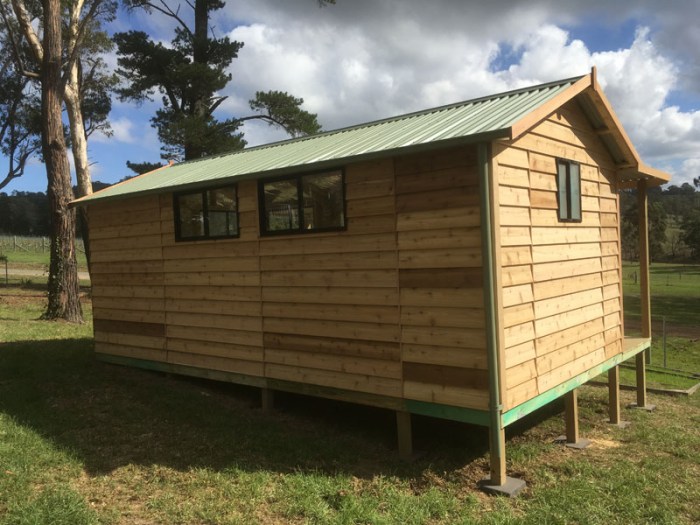
Maintaining a wooden lodge requires a proactive approach to prevent costly repairs down the line. Proper upkeep not only extends the lodge’s lifespan but also safeguards its structural integrity and aesthetic appeal. This section details the essential maintenance and repair considerations for wooden lodges, along with associated costs and the importance of preventative measures.
Understanding the specific needs of your lodge’s construction type, location, and frequency of use is paramount for an effective maintenance strategy.
Routine Maintenance Requirements
Regular inspections and upkeep are crucial for preserving the quality and longevity of a wooden lodge. This involves checking for any signs of damage, such as rot, warping, or insect infestation. Regular cleaning, sealing, and painting are essential for preventing moisture damage and maintaining the wood’s natural beauty. These preventative measures are significantly less costly than addressing extensive damage later.
Repair Costs by Lodge Type
The cost of repairs varies significantly depending on the lodge’s size, materials, and age. Factors such as the complexity of the repair, labor costs, and the availability of specialized materials can influence the overall expenses. Different types of wood, construction methods, and geographic locations can affect maintenance needs.
| Lodge Type | Estimated Annual Maintenance Cost (USD) | Frequency of Major Repairs |
|---|---|---|
| Small, Traditional Log Cabin (1-2 bedrooms) | $1,000 – $2,500 | Every 5-10 years |
| Larger, Modern Timber Frame Lodge (3-5 bedrooms) | $2,500 – $5,000 | Every 7-12 years |
| Luxury, Custom-Built Lodge (5+ bedrooms) | $5,000 – $10,000+ | Every 10-15 years |
Note: These figures are estimates and can vary based on individual lodge conditions and the specific repairs required.
Preventative Maintenance Strategies
Implementing a comprehensive preventative maintenance plan is critical for minimizing future repair costs and extending the lodge’s lifespan. This proactive approach involves regular inspections for potential issues, promptly addressing minor problems, and using appropriate protective treatments. Consider establishing a schedule for inspecting the roof, foundation, windows, and exterior wood. Regular sealing and painting are essential to protect the wood from the elements.
Importance of Preventive Maintenance
“A stitch in time saves nine.”
This adage holds for wooden lodges. Addressing minor issues early can prevent them from escalating into more significant and costly problems. Promptly addressing minor damages, such as cracks in the foundation or signs of moisture intrusion, can save thousands of dollars in potential future repairs.
Future Outlook and Projections
The wooden lodge market is poised for continued growth, driven by factors like the increasing popularity of nature-based tourism and the enduring appeal of rustic, comfortable accommodations. Forecasting future trends requires careful consideration of economic shifts, environmental concerns, and technological advancements. This analysis provides insights into potential growth areas and the evolving landscape of the industry.
Market Growth Predictions
The demand for unique and immersive travel experiences is fueling the expansion of the wooden lodge market. This growth is anticipated to be particularly robust in areas with strong tourism infrastructure and natural beauty. Further, the market is expected to benefit from a growing awareness of sustainable tourism practices.
| Year | Estimated Growth Rate (%) | Description |
|---|---|---|
| 2024 | 7% | Initial growth is driven by pent-up demand and increased awareness of sustainable travel. |
| 2025 | 8% | Continued expansion, with the introduction of innovative lodge designs and enhanced amenities. |
| 2026 | 9% | Further diversification of the market, including the rise of glamping and eco-lodges, which attract environmentally conscious travelers. |
| 2027 | 10% | Stronger growth is fueled by technological integration and the promotion of unique lodge experiences in emerging tourism destinations. |
| 2028 | 11% | Continued expansion, likely fueled by improved accessibility to remote locations and the increasing popularity of remote work. |
Technological Advancements
Technological advancements are significantly impacting the wooden lodge industry. From automated reservation systems and enhanced online booking platforms to smart home technologies and remote maintenance solutions, these innovations are improving operational efficiency and guest experience. For example, the implementation of energy-efficient systems, like solar panels, is becoming more prevalent in new lodge construction, showcasing a commitment to environmental responsibility and reducing operating costs.
Growth Areas
Several key areas show potential for substantial growth in the wooden lodge market. The increasing demand for eco-lodges and sustainable accommodations aligns with the growing environmental consciousness of travelers. Moreover, the development of unique and immersive experiences, like guided nature walks or wildlife viewing opportunities, is likely to attract a broader range of visitors. Finally, the focus on remote and secluded locations, providing a respite from urban life, will also continue to be a draw. This is especially true as the trend toward remote work continues.
Closing Summary
In conclusion, purchasing a wooden lodge is a significant investment, requiring careful consideration of various factors. This exploration of wooden lodges for sale has provided a thorough overview of the market, encompassing location, features, trends, legal aspects, and buyer considerations. From the initial market overview to future projections, this guide equips prospective buyers with essential insights for a successful acquisition. Ultimately, selecting the right lodge hinges on individual needs and preferences, ensuring a rewarding and fulfilling investment in a unique property.