Sol Katmandu A Nepali Legacy
Sol Katmandu, a significant part of Nepali heritage, holds a rich tapestry of history and cultural significance. This exploration delves into its past, tracing its origins and evolution while highlighting its profound impact on the city of Kathmandu. We’ll also examine its current state, analyzing its role in modern Nepali society and its potential for tourism and sustainable development.
From its historical roots to its contemporary relevance, this in-depth look at Sol Katmandu offers a nuanced understanding of its multifaceted nature. We’ll uncover the daily lives of those associated with it, their customs, and traditions, providing a glimpse into the heart of this important cultural entity. This investigation promises to reveal both the tangible and intangible aspects of Sol Katmandu’s enduring presence in Nepali society.
Exploring Sol Katmandu’s History and Significance

source: tripadvisor.com
Sol Katmandu, a significant aspect of Kathmandu’s cultural landscape, holds a rich history interwoven with the city’s evolution. From its humble beginnings to its present-day role, it reflects the enduring spirit and traditions of Nepal. Understanding its historical journey reveals insights into the city’s identity and its unique cultural tapestry.
Sol Katmandu, often translated as “Sun of Kathmandu,” embodies more than just a geographical feature. It represents a confluence of historical, religious, and social forces that have shaped the city’s narrative over centuries. Its significance transcends its physical presence, reflecting the deep-rooted values and beliefs that have defined Nepali society for generations.
Historical Overview of Sol Katmandu
Sol Katmandu, a pivotal aspect of Kathmandu’s history, evolved alongside the city’s growth and development. Its origins can be traced back to ancient times, intricately intertwined with the city’s religious and cultural foundations. The evolving significance of Sol Katmandu mirrors the shifts in Kathmandu’s social, political, and religious landscape.
Cultural and Religious Importance
Sol Katmandu’s presence within Nepali society is deeply ingrained in cultural and religious practices. Its symbolism reflects a rich tapestry of beliefs and traditions, signifying prosperity, light, and the essence of Kathmandu’s spirit. The rituals and ceremonies associated with Sol Katmandu highlight its vital role in Nepal’s cultural heritage.
Role in Shaping Kathmandu’s Identity
Sol Katmandu’s influence on Kathmandu’s identity is undeniable. Its presence acts as a powerful symbol, representing the city’s unique cultural character. Its history and significance are woven into the fabric of Kathmandu’s narrative, making it an essential part of the city’s identity. The imagery and symbolism of Sol Katmandu are visible in various artistic expressions and everyday life, shaping the city’s overall character.
Timeline of Key Events Related to Sol Katmandu
Understanding the evolution of Sol Katmandu requires a structured timeline of key events. This chronological overview provides a clear perspective on the milestones that shaped its role in the city’s development. These events, spanning centuries, demonstrate the evolving importance and symbolism of Sol Katmandu.
- Early Period (circa 5th Century BCE – 12th Century CE): Early historical accounts mention the existence of prominent solar observatories and temples in Kathmandu Valley, suggesting an early awareness of astronomical phenomena and their cultural significance. These observations laid the groundwork for understanding the importance of the sun in local traditions.
- Medieval Period (12th Century – 18th Century CE): The rise of various dynasties and kingdoms in the Kathmandu Valley saw the integration of Sol Katmandu into local religious practices and festivals. Historical texts and inscriptions provide insights into the rituals and ceremonies surrounding the Sun deity, emphasizing its significance within the religious calendar.
- Modern Period (19th Century – Present): With the establishment of modern governance structures, the symbolism of Sol Katmandu persisted, reflecting its continued importance in the cultural landscape. Modern art and architecture incorporate elements of Sol Katmandu, showcasing its enduring legacy in contemporary society.
Understanding the People and Practices of Sol Katmandu

Source: spaceweather.com
Sol Katmandu, a significant cultural entity, is characterized by a unique blend of traditions and practices. Understanding the daily lives, customs, and roles within this community provides a deeper appreciation for its historical and social fabric. The community’s structure is complex, reflecting a long history of adaptation and resilience.
The people associated with Sol Katmandu exhibit a wide array of daily activities, reflecting the diverse economic and social roles within the community. Their lives are intricately woven with the traditions and customs that define their identity. These traditions and customs are not static but evolve, mirroring the broader societal changes and influences impacting the region.
Daily Lives of Individuals
The daily lives of individuals in Sol Katmandu vary significantly depending on their role and socioeconomic status. Farmers engage in agricultural activities throughout the day, adapting to seasonal changes. Craftspeople dedicate their time to creating unique items, showcasing their skills and artistic talents. Business owners manage their enterprises, balancing financial responsibilities with community obligations. A significant portion of the population involves themselves in a combination of these roles, demonstrating the multi-faceted nature of their lives. For instance, a woman might be a farmer during the day and a craftsperson in the evening.
Customs and Traditions
source: shankerhotel.com
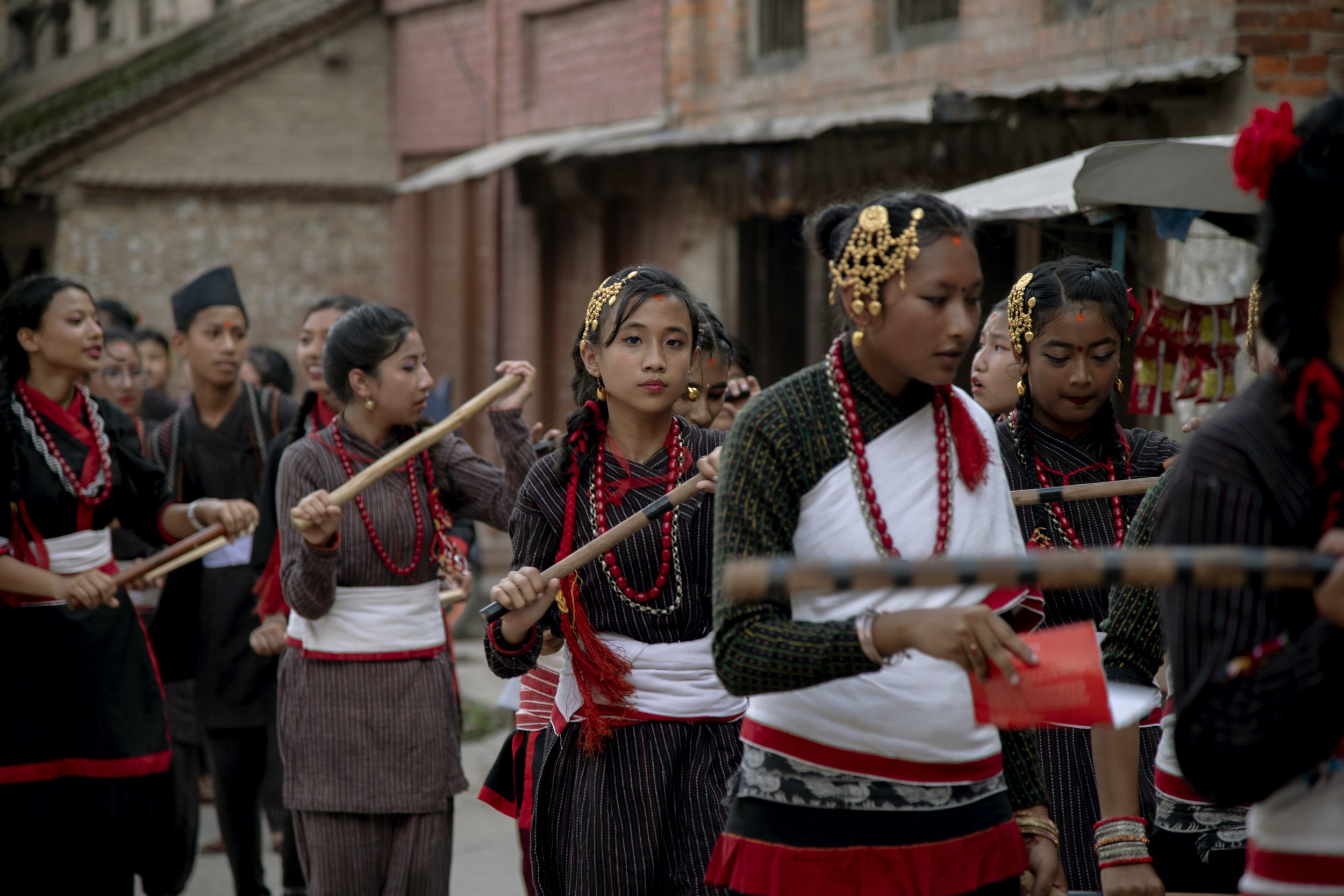
Customs and traditions are integral to the identity of Sol Katmandu. Respect for elders, community gatherings, and adherence to traditional rituals are common threads. These customs often involve specific ceremonies and celebrations, marking important life events or commemorating historical occasions. The community places a high value on maintaining its unique cultural heritage, which is often passed down through generations. For instance, traditional storytelling sessions often feature narratives about historical events and important figures, providing a valuable connection to the past.
Key Roles and Responsibilities
Within the Sol Katmandu community, various roles and responsibilities exist, contributing to the overall well-being and functioning of the group. These roles often overlap, highlighting the interconnected nature of community life. From agricultural leaders to religious figures, each role plays a vital part in ensuring the smooth operation of the community. For example, the head of the village council may oversee the allocation of resources and resolve disputes, while a local elder might offer guidance and support to the younger generation.
Festivals and Celebrations
Sol Katmandu boasts a rich calendar of festivals and celebrations, each marking a specific event or season. These festivals often involve elaborate ceremonies, communal gatherings, and traditional performances. For instance, the harvest festival celebrates the abundance of the agricultural season, highlighting the community’s reliance on nature. These events provide opportunities for community bonding and reaffirming shared cultural values.
Roles and Responsibilities Table
| Role | Responsibilities |
|---|---|
| Village Elder | Providing guidance, mediating disputes, preserving traditions, and mentoring the younger generation. |
| Farmer | Cultivating land, managing crops, and ensuring food security for the community. |
| Craftsperson | Creating unique items using traditional methods, contributing to the community’s economy and artistic expression. |
| Merchant | Trading goods, facilitating economic exchange, and providing essential commodities to the community. |
| Religious Leader | Conducting ceremonies, offering spiritual guidance, and maintaining the community’s religious practices. |
Potential of Sol Katmandu for Tourism and Development
source: onthebeach.co.uk
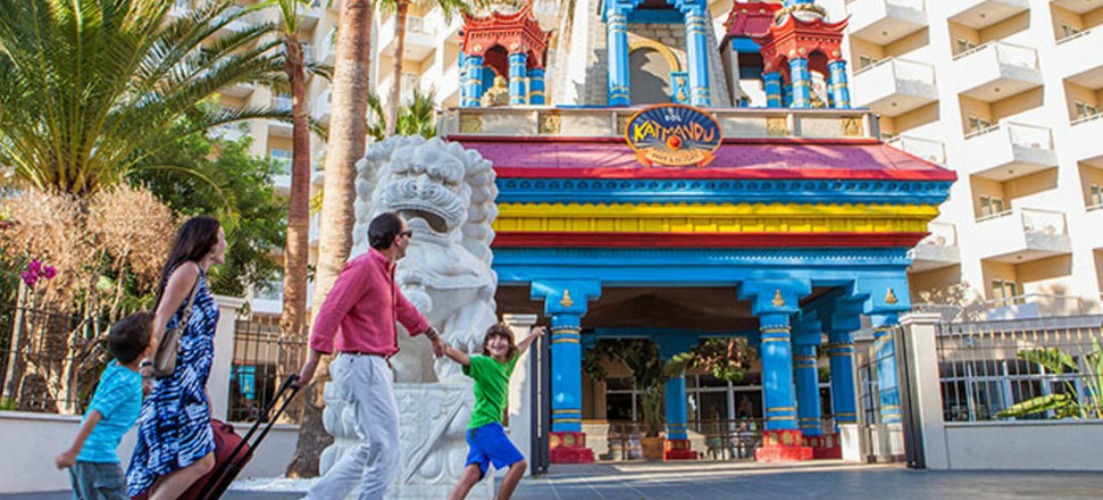
Sol Katmandu, with its rich historical and cultural heritage, presents a unique opportunity for tourism-driven economic growth. Harnessing this potential requires a multifaceted approach that prioritizes sustainable development and community involvement. Careful consideration of the local environment and cultural sensitivities is essential for responsible tourism initiatives.
Understanding the local economy and the specific needs of the community is vital for developing tourism strategies that effectively contribute to the betterment of Sol Katmandu. By combining traditional practices with modern amenities, Sol Katmandu can establish itself as a unique and attractive destination.
Tourism Opportunities in Sol Katmandu
Sol Katmandu offers a variety of attractions for tourists, catering to diverse interests. Historical sites, cultural festivals, and natural landscapes provide a rich tapestry of experiences. Promoting heritage walks, showcasing local craftsmanship, and organizing cultural performances can draw tourists interested in experiencing the unique culture of Sol Katmandu. Developing eco-tourism initiatives in the surrounding areas can further broaden the appeal of the destination.
Economic Contribution of Sol Katmandu Tourism
Sol Katmandu’s tourism sector can generate significant revenue for the local economy. This revenue can be channeled into improving infrastructure, education, and healthcare facilities. Local businesses, such as hotels, restaurants, and craft shops, can benefit from increased tourist activity. Furthermore, employment opportunities in the tourism sector can improve the livelihoods of residents.
Sustainable Development Practices, Sol Katmandu
Sustainable development practices are crucial for ensuring the long-term viability of Sol Katmandu’s tourism sector. This involves minimizing environmental impact, respecting cultural heritage, and empowering local communities. Using renewable energy sources, promoting waste management, and supporting local conservation efforts are key aspects of sustainable tourism. Developing community-based tourism initiatives that directly benefit residents is vital.
Challenges and Solutions for Sol Katmandu’s Future
Sol Katmandu, like many developing destinations, faces challenges related to infrastructure, accessibility, and community preparedness for tourism. Addressing these challenges through strategic investments in infrastructure, training programs for local communities, and developing clear regulations for tourism activities will be key. Building partnerships with international organizations and local NGOs can also assist in achieving these objectives.
Comparative Analysis of Tourism Strategies
| Tourism Strategy | Pros | Cons |
|---|---|---|
| Cultural Heritage Tourism | Preserves cultural heritage, attracts niche tourists, fosters cultural exchange, and generates income for local artisans and craftspeople. | Requires significant investment in preservation and promotion, might not attract large tourist numbers, and requires cultural sensitivity and authenticity. |
| Eco-Tourism | Attracts environmentally conscious tourists, supports conservation efforts, and minimizes environmental impact. | It can be challenging to manage, requires significant investment in infrastructure and education for locals, and might face limitations due to natural resources. |
| Adventure Tourism | Attracts thrill-seeking tourists, promotes physical activity, and generates income for local guides and operators. | Requires careful risk management, potential for environmental damage, and can be demanding for local communities to manage. |
| Community-Based Tourism | Empowers local communities, fosters cultural exchange, and provides direct economic benefits to local residents. | Requires strong community involvement and organization, potentially slower development compared to other strategies, and needs adequate training for local guides and operators. |
Final Thoughts
In conclusion, Sol Katmandu stands as a testament to the enduring spirit of Nepali culture. Its historical significance, present-day impact, and potential for future development underscore its vital role in shaping the identity and future of Kathmandu. This exploration has provided a comprehensive overview, highlighting the interplay between history, community, and the possibility of sustainable tourism. Understanding Sol Katmandu is not merely an academic exercise; it’s a journey into the heart of Nepali heritage.