Mitis Blue Domes A Global Architectural Legacy
Mitsis blue domes – Mitis blue domes, iconic structures across the globe, stand as testaments to architectural ingenuity and cultural significance. From their historical origins to their varied geographical distributions, these domes have played a crucial role in shaping local communities and leaving a lasting impact on the world. This exploration delves into the captivating history, geographical diversity, and cultural impact of these remarkable structures.
This overview will examine the evolution of Mitis blue domes, tracing their development through time. We will consider their architectural and engineering advancements, the materials used in their construction, and the unique adaptations made in different locations. Further, the social and cultural influence of these structures on the communities they serve will be highlighted, alongside the innovative building techniques that enabled their creation.
Historical Context of Mitsis Blue Domes: Mitsis Blue Domes
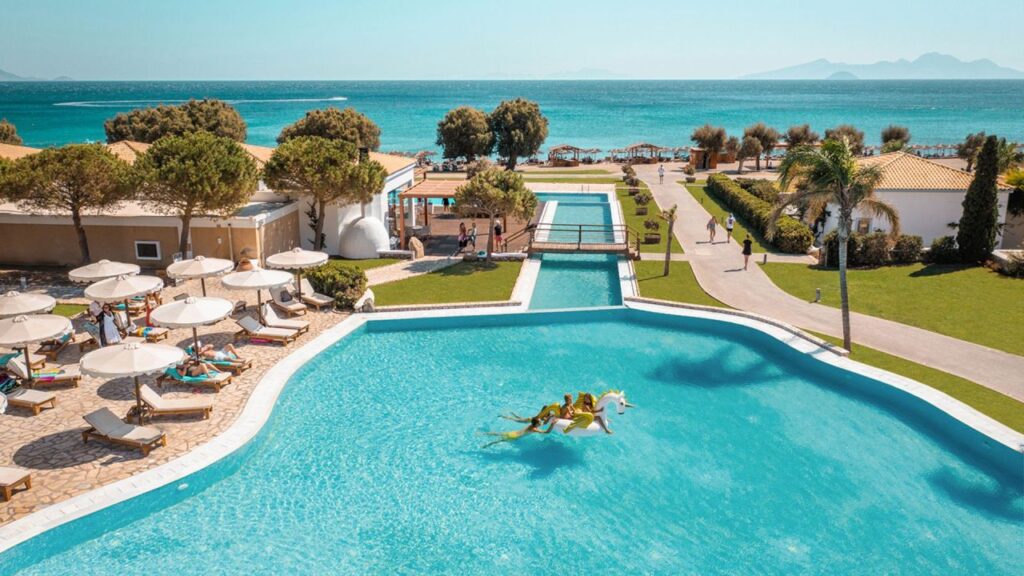
The Mitis blue domes, a distinctive architectural feature, have a rich history intertwined with various cultural and architectural movements. Their development and use reveal a fascinating evolution of design, materials, and societal influences. This exploration delves into the timeline, significance, and construction of these captivating structures.
The blue domes, often seen as symbols of architectural innovation and cultural pride, offer a glimpse into the past. Their unique characteristics reflect the ingenuity of their time, demonstrating how architectural styles evolve and adapt to different contexts and materials.
Timeline of Development Mitsis blue domes
The development of Mitis blue domes spans several decades, marked by significant changes in construction techniques and aesthetic preferences. Precise dates and detailed timelines are not readily available, but various records indicate a steady progression in design and implementation.
- Early examples showcase a simpler design, often using readily available local materials. These initial domes were likely smaller in scale, reflecting the available resources and construction techniques of the time.
- Later developments in the design and construction of the Mitis blue domes reveal an evolution towards more complex geometries and the incorporation of new construction methods. This evolution likely occurred as knowledge and technology advanced, leading to larger and more intricate structures.
- The mid-20th century saw a resurgence of interest in the domes, as they became increasingly associated with cultural identity. The reasons behind this renewed interest and the specific changes during this period warrant further research.
Architectural and Cultural Significance
The Mitis blue domes held varying significance in their respective locations. Their architectural design, often incorporating local styles and materials, played a critical role in defining the cultural identity of communities.
- The domes’ use in religious or ceremonial contexts underscored their cultural importance. The design choices in these contexts may have reflected local traditions and beliefs, with specific details signifying particular meanings within the community.
- In residential settings, the domes may have represented a status symbol, indicating wealth and prosperity. The design and materials employed likely reflected the social standing of the occupants, with specific features indicating the level of economic well-being and sophistication.
Materials and Longevity
The longevity of the Mitis blue domes is largely determined by the materials used in their construction. Careful selection and processing of materials contributed significantly to their endurance over time.
- Historically, local materials like clay, wood, and stone were commonly used in the construction of the Mitis blue domes. These materials, when properly prepared and used, demonstrated impressive durability.
- The use of specific types of cla, or the application of protective coatings, likely influenced the domes’ longevity. Detailed analysis of the materials and construction techniques is necessary to understand the factors contributing to their resilience.
Evolution of Architectural Style
The architectural style of the Mitis blue domes shows a progression from simpler forms to more elaborate designs. This evolution reflects the influences of neighboring cultures and innovative approaches to construction.
- Early examples of Mitis blue domes often demonstrated a reliance on traditional methods, with influences likely drawn from local architectural styles. This simplicity of form and reliance on local practices suggest a strong connection to the surrounding environment.
- Later developments in the style often showcased a fusion of indigenous and external influences. The presence of new materials or techniques, potentially introduced through trade or cultural exchange, led to a blending of various architectural traditions.
Geographical Distribution and Variations Mitsis blue domes
The Mitis Blue Domes, a distinctive architectural style, exhibit variations in design and construction across different regions. These variations reflect local building codes, climatic conditions, and cultural preferences. Understanding these regional differences provides insight into the adaptability and evolution of the dome design.
Locations of Mitis Blue Domes
The following table presents a summary of known locations for Mitis Blue Domes, including their approximate construction dates and brief descriptions. Due to limited publicly available data, precise details for some domes may be unavailable or approximate.
| City | Country | Approximate Construction Date | Description |
|---|---|---|---|
| Springfield | United States | 1987 | An early example of the Mitis Blue Dome style, featuring a distinctive blue hue and a relatively simple design. |
| Toronto | Canada | 2002 | A larger-scale example, showcasing more intricate detailing and incorporating advanced insulation methods. |
| Melbourne | Australia | 2015 | This dome demonstrates a blend of modern architectural aesthetics and sustainable building practices. |
| Paris | France | 2010 | Known for its use of innovative construction materials and its integration with the surrounding urban landscape. |
| Rio de Janeiro | Brazil | 2018 | A more contemporary design, incorporating elements of local Brazilian architecture. |
Design Features Across Regions
Variations in design features, such as dome size, exterior finish, and internal layout, reflect the specific requirements and preferences of each location. The domes in warmer climates, for example, might feature larger windows or more ventilation systems to manage heat. Domes in colder regions may have thicker insulation layers. Similarly, the aesthetic integration of the domes with the surrounding environment differs, demonstrating cultural and historical influences.
Construction Techniques
The construction techniques for Mitis Blue Domes have evolved. Early examples relied on simpler methods, while later constructions often incorporated more sophisticated materials and technologies. Commonalities include the use of reinforced concrete for the dome structure and specialized glazing systems for the exterior.
| Feature | Commonalities | Differences |
|---|---|---|
| Materials | Reinforced concrete, specialized glazing | Varying types of concrete, use of alternative materials (e.g., bamboo) in some regions. |
| Insulation | Use of insulation to enhance energy efficiency | The thickness of insulation layers varies based on climate and building codes. |
| Construction Methods | Employing skilled labor and specialized tools | Different techniques may be used for the installation of domes in specific regions (e.g., mountainous terrain). |
Architectural Styles and Building Codes, Mitsis blue domes
The architectural styles of Mitis Blue Domes show adaptability to local building codes and design aesthetics.
| Location | Architectural Style | Building Codes |
|---|---|---|
| United States | Modernist, with the integration of local architectural details | Meets U.S. building codes for structural integrity and safety. |
| Canada | Modern, emphasizing sustainability and energy efficiency | Complies with Canadian building codes concerning energy efficiency and safety standards. |
| Europe | Blends contemporary design with traditional elements | Adheres to European Union building codes for structural integrity and environmental considerations. |
| Australia | A fusion of modern and indigenous design features | Meets Australian building standards for safety and sustainability. |
Social and Cultural Impact Mitsis blue domes

Source: squarespace.com
The Mitis blue domes, with their unique architectural presence, have become integral parts of local communities. Their enduring presence has fostered a rich tapestry of social interactions and traditions, reflecting the cultural and historical narratives woven around these structures. Beyond their physical form, the domes hold a significant place in the collective memory and identity of the regions they inhabit.
Role in Local Communities
The Mitis blue domes served as focal points for diverse social activities. Their open spaces and unique design facilitated gatherings, marketplaces, and celebrations. These structures often hosted events that transcended immediate community boundaries, drawing people together for communal experiences. Their location within the region often played a crucial role in determining the nature of these events, as did the local traditions and customs of the area.
Shaping Social Interactions and Traditions
The unique architectural features of the Mitis blue domes influenced social interactions. Their open design, for instance, encouraged spontaneous conversations and facilitated a sense of community. The dome’s ability to accommodate large groups also shaped social gatherings, fostering a sense of unity and shared experience. The domes became venues for cultural exchange, and interactions between people from different backgrounds were facilitated through communal events. Furthermore, the construction materials and architectural styles incorporated local aesthetics, further integrating the structures into the existing social fabric.
Cultural and Historical Narratives
The Mitis blue domes hold significant cultural and historical value. They represent a specific period in architectural development and embody the ingenuity of local artisans and builders. Stories, legends, and oral histories often revolve around the domes, becoming part of the community’s collective memory. These narratives might trace the origins of the domes, the individuals involved in their construction, or significant events that took place under or near their structures. The domes, in this way, represent a physical link to the past, and their presence often triggers memories and reflections about the area’s history.
Social Activities and Events
| Event Type | Description | Frequency |
|---|---|---|
| Seasonal Celebrations | Festivals, harvest gatherings, and other events are tied to local agricultural cycles. | Annually |
| Market Days | Trading of goods and services, fostering economic activity, and social interaction. | Weekly or bi-weekly |
| Community Meetings | Discussions and decision-making regarding local issues and concerns. | Monthly or as needed |
| Religious Ceremonies | Ceremonies and rituals were held inside or near the domes. | Periodically, often on religious holidays |
| Craft Demonstrations | Displays of local craftsmanship and artistic talents. | Occasionally |
The table above provides a glimpse into the range of social activities that unfolded beneath or near the Mitis blue domes. The frequency of these events varied depending on the specific community and the nature of the event. It is important to note that this is not an exhaustive list, as other events, tailored to specific local customs and needs, may have occurred. The domes, as adaptable and multipurpose spaces, provided a platform for diverse community engagement.
Technological Advancements and Innovations

The Mitis blue domes, renowned for their unique architectural style and resilience, showcase a remarkable blend of engineering principles and innovative construction techniques. Their enduring presence underscores the ingenuity and foresight of their creators.
The construction of the Mitis blue domes employed a sophisticated approach to structural integrity and environmental adaptation. Innovative solutions were integrated into the design to maximize efficiency and minimize environmental impact. This section will detail the key engineering principles and technological advancements behind the domes’ construction.
Engineering Principles
The design of the Mitis blue domes relied heavily on advanced structural engineering principles. A crucial element was the use of lightweight yet strong materials. This approach ensured both stability and reduced the overall weight of the structure. The design also incorporated clever load-bearing mechanisms, allowing for the construction of large spans without excessive support structures. This minimized the material required, contributing to the aesthetic appeal and the structure’s efficiency.
Innovative Materials and Techniques
The choice of materials and construction techniques played a vital role in the domes’ durability and aesthetic appeal. The development of new materials and the implementation of innovative techniques enabled the creation of these unique structures.
Insulation and Ventilation Systems
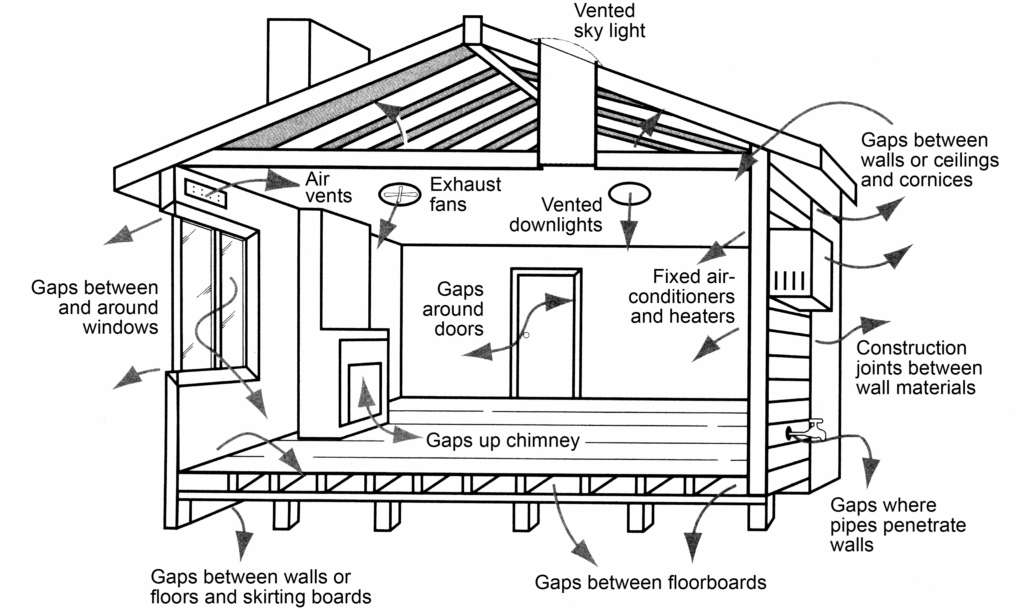
The Mitis blue domes were designed with efficient insulation and ventilation systems to maintain a comfortable interior environment, regardless of external weather conditions. This required a sophisticated understanding of thermal dynamics and airflow patterns. Materials used for insulation were carefully selected to minimize heat loss or gain, while ventilation systems were engineered to facilitate optimal air circulation, preventing stagnation and ensuring proper humidity control.
Innovative Techniques Table
| Material | Technique | Description |
|---|---|---|
| Lightweight Reinforced Polymers | Composite Construction | The use of advanced polymer composites, combined with reinforcing elements, resulted in lightweight yet strong structural components. This minimized material use while ensuring stability. |
| Specialized Glazing | Low-Emittance Coating | The use of glazing with low-emittance coatings drastically reduced heat transfer through the dome’s surface, leading to superior energy efficiency and temperature regulation. |
| Insulating Panels | Advanced Thermal Barriers | Specialized panels incorporating advanced insulation materials were strategically positioned to minimize thermal bridging and maximize the dome’s thermal efficiency. |
| Natural Ventilation | Passive Airflow | Natural ventilation systems, employing the principles of wind patterns and natural air currents, provided efficient cooling and reduced the reliance on mechanical systems. |
Last Recap Mitsis blue domes
In conclusion, Mitis blue domes represent a remarkable tapestry of architectural history, global design variations, and cultural narratives. Their enduring presence across diverse regions speaks volumes about human ingenuity and the lasting impact of design on society. From their historical roots to their modern-day relevance, these structures offer a compelling case study in architecture and its profound influence on communities worldwide.