3 Bedroom Student House Your Guide
3 Bedroom student house hunting can be overwhelming, but this guide simplifies the process. We’ll explore market trends, highlight essential features, and provide a comprehensive breakdown of pricing and locations. From availability to budgeting, we’ve got you covered.
Understanding the current market conditions for 3-bedroom student houses is crucial for prospective renters. This involves analyzing factors like location, amenities, and pricing to gauge the demand and availability of suitable properties. Trends in student housing rentals across different areas will also be explored.
Pricing and Budgeting

Understanding the financial implications of renting a 3-bedroom student house is crucial for responsible budgeting. Factors like location, property features, and market demand significantly influence rental costs. This section details typical rental costs, compares pricing across regions, and provides a sample budget to aid students in planning their finances.
Typical Rental Costs for 3-Bedroom Student Houses
Rental costs for 3-bedroom student houses vary considerably based on location. Urban areas often command higher prices due to higher demand and limited availability. Suburban or rural locations, while potentially offering more space, typically have lower rental rates.
Comparison of Pricing Across Regions
A comparative analysis reveals that student housing in major metropolitan areas, like London or New York, frequently costs more than in smaller towns or cities. The difference in rental prices can be attributed to several factors, including higher living costs, increased demand, and potentially higher property values in urban centers. For instance, a 3-bedroom house in a bustling city center could easily cost £2,500 to £3,500 per month, while a similar property in a less populated area might fall between £1,500 and £2,000 per month. This variance highlights the importance of researching specific areas when looking for suitable accommodation.
Sample Budget for a Student Renting a 3-Bedroom House
This sample budget Artikels the typical monthly expenses for a student residing in a 3-bedroom house, providing a realistic overview of financial obligations.
| Expense Category | Average Monthly Cost (Example) |
|---|---|
| Rent | £1,800 |
| Utilities (Electricity, Gas, Water) | £150 |
| Internet | £30 |
| Groceries | £100 |
| Transportation | £50 |
| Entertainment | £50 |
| Miscellaneous Expenses (e.g., phone, laundry, etc.) | £50 |
| Total | £2,130 |
Note: These figures are estimates and may vary significantly based on individual spending habits and location. It is recommended to create a personalized budget accounting for your unique expenses.
Average Monthly Expenses Breakdown
The breakdown of average monthly expenses demonstrates the different cost components associated with renting a 3-bedroom house. Rent, often the largest expense, is followed by utilities, which are influenced by usage patterns and energy costs. Groceries, transportation, entertainment, and miscellaneous expenses represent additional, recurring costs that students need to factor into their budgets.
Location and Neighbourhood: 3 Bedroom Student House
Finding the right location for a 3-bedroom student house is crucial for a comfortable and successful student experience. The neighbourhood should offer easy access to amenities, transportation, and the university, significantly impacting the quality of student life. Careful consideration of the pros and cons of various locations is essential for making an informed decision.
Desirable Neighborhoods for Students
A prime location for student housing offers convenient access to universities, ample amenities, and reliable transportation options. Students prioritize these factors for a smooth and enriching living experience. This translates to a more enjoyable and productive time spent studying.
- Areas near universities often boast a vibrant atmosphere with a concentration of student-friendly shops, restaurants, and entertainment venues. This can enhance the social aspect of student life.
- Well-connected neighbourhoods with efficient public transportation systems allow students to commute easily to classes, libraries, and other essential destinations without relying solely on personal vehicles.
- Areas with a mix of residential and commercial properties can provide students with a blend of quiet living spaces and access to everyday necessities, like grocery stores and pharmacies.
Proximity to Universities, Amenities, and Transportation
Proximity to the university is a key factor in choosing a student housing location. This directly affects commuting time and the overall convenience of accessing university resources and facilities. Amenities like supermarkets, laundromats, and gyms are also vital for student well-being and independence. Reliable transportation options reduce reliance on personal vehicles, promoting a more sustainable lifestyle.
Pros and Cons of Different Locations
Different neighbourhoods offer various advantages and disadvantages for students. A location close to the university might be more convenient, but it may also be more expensive. A location farther from the university could offer lower rent but require more time for commuting. Weighing these factors carefully is essential when selecting a suitable location.
- Proximity to University (Pros): Reduced commuting time, easy access to university facilities, a lively student atmosphere, increased social interaction, and a strong sense of community.
- Proximity to University (Cons): Potentially higher rent prices, limited parking availability, and increased noise levels.
- Amenities (Pros): Convenient access to essential services like supermarkets, laundromats, and pharmacies, reduced reliance on personal vehicles, and potential for a more balanced lifestyle.
- Amenities (Cons): Limited availability of amenities in some areas, higher prices for amenities in prime locations, and potential for overcrowding in certain areas.
- Transportation (Pros): Easy access to public transport, reduced need for personal vehicles, and environmental sustainability.
- Transportation (Cons): Reliance on public transport schedules, potential for delays or service disruptions, and distance from transportation hubs in certain areas.
High Demand Locations for 3-Bedroom Student Houses, 3 bedroom student house
This table highlights neighbourhoods with high demand for 3-bedroom student houses, considering proximity to universities, amenities, and average rent. These locations are often sought-after due to their convenience and suitability for student living.
| Location | Proximity to University | Amenities | Average Rent |
|---|---|---|---|
| University Heights | Very Close | Excellent; diverse shops, restaurants, and amenities | £1,800-£2,200 per month |
| North Campus | Close | Good; some supermarkets, laundromats, and local shops | £1,500-£1,800 per month |
| City Centre | Moderate | Excellent; many amenities, but potentially higher prices | £1,900-£2,500 per month |
| South Campus | Slightly Far | Good; sufficient amenities but fewer options compared to other areas | £1,400-£1,700 per month |
Last Word
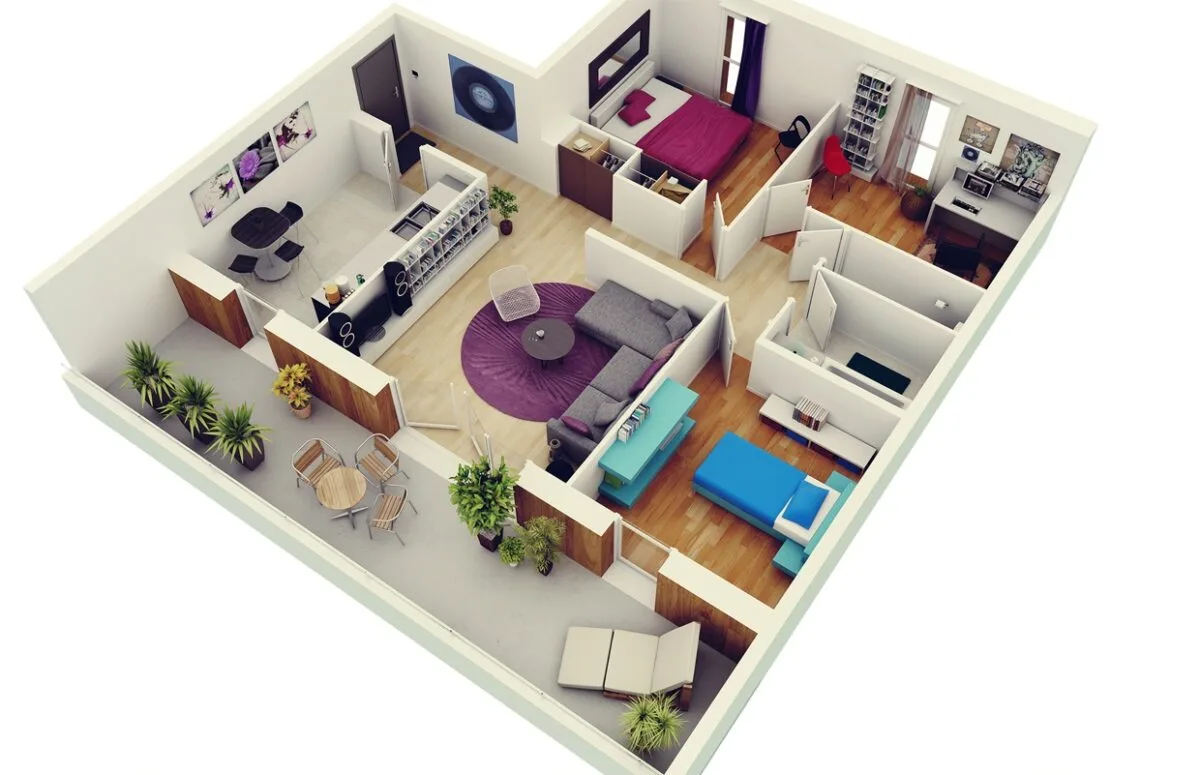
In conclusion, finding the perfect 3-bedroom student house involves careful consideration of location, features, and budget. By analyzing the market, comparing amenities, and understanding pricing structures, students can make informed decisions. This guide has provided a solid foundation for navigating the process and securing a suitable living space.
This comprehensive guide provides a structured approach to finding the ideal 3-bedroom student house. Armed with insights into availability, features, pricing, and location, students can confidently embark on their search, ensuring a smooth and successful transition into university life.