Unite Students Summer Stay Programs & Experiences
Unite Students Summer Stay offers a comprehensive program designed to enrich students’ summer break. This program will provide a variety of engaging activities, housing options, and support services, ensuring a memorable and productive experience for all participants.
The program covers everything from academic enrichment and sports to arts and specific interests like coding and environmental science. Students will have access to various housing options, including on-site dorms, off-campus apartments, and host families. They can also participate in a range of activities, both on and off campus, fostering teamwork, communication, and problem-solving skills. Crucially, the program provides extensive student support services, ensuring their safety and well-being throughout the summer.
Summer Student Programs

Summer programs offer invaluable opportunities for students to expand their horizons and develop crucial skills beyond the typical academic year. These programs provide enriching experiences that foster personal growth and expose students to diverse fields of study and extracurricular activities. They allow students to explore potential career paths and build confidence in their abilities.
Summer programs are carefully designed to provide a tailored experience for students of all ages and interests. They offer a structured environment where students can focus on a specific area of interest, develop essential skills, and make new connections.
Types of Summer Programs
Summer programs are categorized into various types, catering to diverse interests and skill sets. These categories include academic enrichment, sports, arts, and leadership development programs. Each type offers distinct benefits and learning experiences.
- Academic Enrichment Programs: These programs often focus on specific subjects like math, science, or language arts, offering advanced learning opportunities beyond the regular curriculum. These programs may also introduce students to college-level concepts or specific academic disciplines.
- Sports Programs: These programs emphasize athletic development, skill enhancement, and teamwork. They cater to various sports and levels of experience, from beginner to advanced, providing students with opportunities to improve their physical fitness, sportsmanship, and teamwork skills.
- Arts Programs: These programs encourage artistic expression and creativity through various media such as visual arts, music, drama, or dance. They provide a platform for students to explore their talents and develop artistic skills.
- Leadership Development Programs: These programs focus on personal and professional development, equipping students with essential leadership qualities, teamwork skills, and problem-solving abilities. These programs often include group projects, activities, and mentorship opportunities.
Examples of Specialized Summer Programs

Many programs are designed around specific interests, allowing students to delve deeper into their passions.
- Coding Camps: These programs introduce students to fundamental coding languages and concepts, providing hands-on experience in software development, web design, and app creation. They are ideal for students interested in technology and computer science.
- Theatre Programs: These programs provide opportunities for students to develop acting, singing, and stagecraft skills. Students can learn about different theatrical styles, participate in plays, and develop their communication and performance skills.
- Environmental Science Programs: These programs offer opportunities for students to explore environmental issues and solutions through fieldwork, research, and hands-on activities. These programs provide an introduction to environmental science concepts and career paths.
Benefits of Participating in Summer Programs
Summer programs offer a multitude of benefits for student development.
- Academic Benefits: Students can gain a deeper understanding of subjects they enjoy, enhance their academic skills, and improve their critical thinking and problem-solving abilities.
- Social Benefits: Summer programs provide opportunities for students to interact with peers who share similar interests, develop social skills, and build lasting friendships.
- Personal Benefits: Programs often foster personal growth by encouraging self-confidence, independence, and resilience.
Importance of Program Alignment
Matching a summer program to a student’s interests and goals is crucial for maximizing the benefits. Students should carefully consider their academic aspirations, extracurricular interests, and personal goals when selecting a program.
Comparison of Summer Program Options
| Program Type | Location | Cost | Target Student Age |
|---|---|---|---|
| Coding Camp | Online/On-Campus | $500-$2000 | 13-18 |
| Theatre Workshop | City Center | $300-$1000 | 10-18 |
| Environmental Science Expedition | National Park | $800-$1500 | 14-18 |
| Sports Training Camp | Sports Complex | $700-$1200 | 10-16 |
Student Accommodation During Summer Stay
Choosing suitable student housing is crucial for a positive summer program experience. Students need a comfortable and convenient living arrangement that allows them to fully participate in their chosen activities and make the most of their summer stay. The right accommodation will support their learning and personal growth.
Various options are available, each with its own set of advantages and disadvantages. Factors such as cost, location, and the desired level of social interaction should be carefully considered when selecting housing. Understanding the differences between on-site dorms, off-campus apartments, and host families is essential for making an informed decision.
Accommodation Options for Summer Programs
Different accommodation options cater to varying preferences and budgets. The ideal choice depends on the student’s age, needs, and desired level of independence.
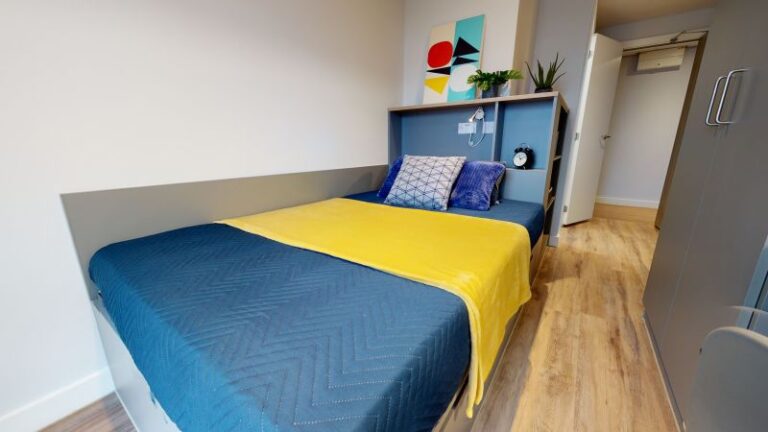
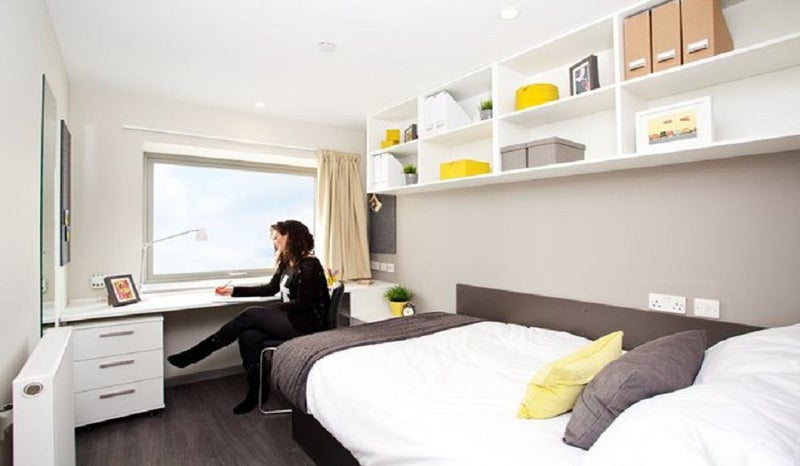
- On-site Dorms: Dorms are often located on the program campus, offering easy access to classes, activities, and other facilities. This option is generally more affordable than off-campus housing and provides a structured social environment, fostering interaction among participants. However, dorm rooms can be smaller and less private compared to other options.
- Off-Campus Apartments: Off-campus apartments provide more space and privacy, offering a greater sense of independence. They can be shared with roommates, or they may be private. Location can vary widely, from conveniently close to the program location to more distant options. The cost of these apartments can vary depending on size, amenities, and proximity to the program.
- Host Families: Living with a host family immerses students in a local culture, providing a unique opportunity for personal growth and cultural exchange. This option can be a valuable way for students to practice conversational skills and experience daily life in a new environment. However, the cost of this accommodation can be similar to or even more expensive than other options. This option also requires consideration of dietary restrictions and cultural differences. Students should carefully select a family whose values align with their own to ensure a smooth and enriching experience.
Comparison of Housing Options
A comprehensive comparison table can help students and their families assess the different housing options.
| Type of Housing | Cost | Location | Proximity to Programs |
|---|---|---|---|
| On-site Dorms | Generally affordable | On the program campus | High |
| Off-Campus Apartments | Variable, depending on location and size | Off program campus, varying distances | Variable, depending on location |
| Host Families | Variable, depending on location and services offered | Local community | Variable, depending on location and program |
Factors to Consider When Selecting Accommodation
Several factors influence the best choice of accommodation. Age and maturity levels play a role in the level of independence desired. Students should consider their comfort level with shared spaces and their need for privacy.
- Student Age and Maturity: Younger students may benefit from the structured environment of a dorm, while older students may prefer the independence of an off-campus apartment or host family.
- Budget: The cost of accommodation varies significantly between options. Students should carefully assess their financial limitations and choose an option that fits within their budget.
- Social Interaction: Some students thrive in the social environment of a dorm, while others may prefer a more independent lifestyle. The desired level of interaction should be a key factor in the decision-making process.
Student Activities and Experiences
Enriching the summer stay experience for students involves a multifaceted approach that goes beyond academics. A robust program of activities fosters personal growth, skill development, and lasting memories. These experiences, both on and off campus, are carefully designed to engage students and encourage interaction.
A comprehensive list of activities, coupled with well-planned excursions and field trips, significantly enhances the educational value of the summer program. These activities create opportunities for students to collaborate, communicate effectively, and apply critical thinking skills in practical settings. By providing a platform for these activities, the program fosters teamwork, communication, and problem-solving abilities.
Fun and Engaging Activities
The summer program provides a range of exciting activities, designed to cater to diverse interests and encourage participation. These activities are structured to promote a sense of community and belonging.
- Workshops: Hands-on workshops covering various topics, such as coding, graphic design, public speaking, and culinary arts. These practical sessions allow students to learn new skills in a supportive environment, fostering creativity and practical application.
- Sports and Recreation: Opportunities for students to engage in sports and recreational activities, such as basketball, volleyball, soccer, and hiking, promoting physical well-being and teamwork.
- Cultural Events: Visiting local museums, attending concerts, or participating in cultural festivals. These events expose students to different perspectives and enrich their understanding of the surrounding community.
- Community Service Projects: Engaging in meaningful community service projects, such as volunteering at local shelters or environmental cleanup drives, encourages students to contribute to the wider community and develop empathy.
Excursions and Field Trips
Well-structured excursions and field trips can significantly enhance the learning experience and allow students to connect theory with practice. These trips are strategically planned to be educational and enjoyable.
- Local Businesses: Visits to local businesses, like a tech startup or a local restaurant, offer insights into different professional sectors. This allows students to observe real-world applications of their studies and consider career paths.
- Historical Sites: Trips to historical landmarks, museums, or historical societies provide a deeper understanding of the local heritage and historical context.
- Environmental Conservation Sites: Visiting local nature reserves, parks, or environmental conservation centers fosters an appreciation for the natural world and promotes sustainable practices.
Activities Promoting Teamwork, Communication, and Problem-Solving
These activities are specifically designed to promote collaborative learning, enhancing teamwork, communication, and problem-solving skills.
| Activity Type | Location | Description | Estimated Duration |
|---|---|---|---|
| Team Building Exercise | Campus Recreation Area | Interactive challenges and games are designed to encourage collaboration and communication amongst teams. | 2-3 hours |
| Debate Competition | Campus Auditorium | Students engage in structured debates on current affairs, developing persuasive arguments and responding to counter-arguments, fostering communication and critical thinking. | 2-3 hours |
| Problem-Solving Challenge | Campus Library | A series of puzzles and challenges requiring teamwork and creative solutions, promoting collaboration and critical thinking. | 1-2 hours |
| Mock Business Case Study | Classroom/Conference Room | Students work in teams to analyze a business case study, present their solutions, and debate their conclusions. | 2-3 hours |
Student Support and Resources: Unite Students Summer Stay
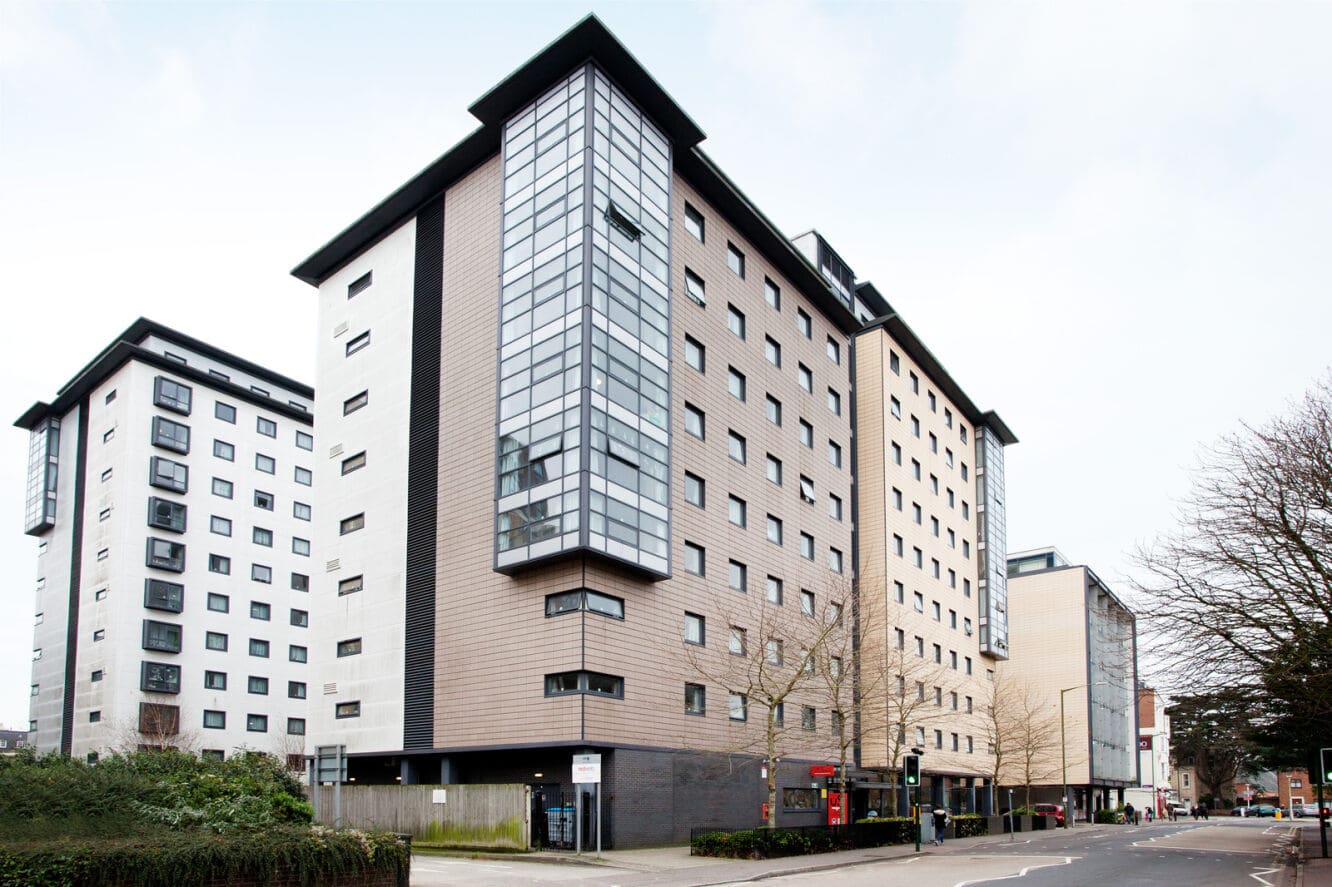
A successful summer stay for students hinges on robust support systems. Providing comprehensive resources ensures students feel supported, safe, and empowered to thrive during their time away from regular academic settings. These resources are vital for maintaining their well-being and academic progress, and allow them to make the most of their summer experience.
Importance of Support Services
Student support services are crucial during summer stays, mirroring the importance of these services during the regular academic year. Academic advising, counseling, and health services play a pivotal role in guiding students through academic challenges, emotional concerns, and physical health issues. These services provide a safety net and enable students to focus on their summer programs and activities.
Mentorship and Peer Support
Mentors and peer support networks foster a sense of community and belonging during summer programs. Mentors offer guidance, support, and encouragement, while peer support allows students to connect with peers facing similar experiences. This network can create a positive learning environment, fostering collaboration and shared understanding. For instance, experienced students can guide newcomers, or students struggling with a particular aspect of the program can find support from peers.
Ensuring Student Safety and Well-being, Unite students summer stay
Prioritizing student safety and well-being is paramount. Clear communication channels, readily available emergency contacts, and regular check-ins contribute significantly to a secure and supportive environment. Safety protocols, including emergency procedures and reporting mechanisms, should be clearly articulated and regularly reviewed to ensure that students are aware of how to address any concerns.
Available Support Services
| Service Type | Contact Information | Description |
|---|---|---|
| Academic Advising | (Example) advising@example.edu | Guides course selection, academic planning, and program requirements for the summer. |
| Counseling Services | (Example) counseling@example.edu | Offers confidential support for students facing emotional or personal challenges, including stress management and conflict resolution. |
| Health Services | (Example) health@example.edu | Provides access to medical care, including preventative health screenings and treatment for minor illnesses and injuries. |
| Emergency Services | (Example) 911 | Provides immediate assistance in case of medical emergencies or other critical situations. |
| Student Support Staff | (Example) student_support@example.edu | Offers general support and guidance on campus life, including directions, transportation, and access to other services. |
Ultimate Conclusion
In conclusion, Unite Students Summer Stay provides a well-rounded experience for students, covering academic enrichment, housing, activities, and support. By carefully considering individual interests and needs, the program aims to maximize learning and personal growth during the summer break. It’s a valuable opportunity to foster new skills and connections while ensuring a positive and safe experience for every participant.