Digital Nomads for Dummies Your Guide
Digital Nomads for Dummies is your comprehensive introduction to the exciting world of remote work and travel. This guide dives into the core principles of digital nomadism, helping you understand the lifestyle, from the common misconceptions to the essential skills and mindset for success. We’ll explore various work types, benefits, drawbacks, and even delve into planning your journey, from budgeting and visas to choosing the perfect destinations.
Learn about essential tools and resources, including staying connected, managing finances, and prioritizing well-being during extended trips. We’ll also cover navigating the challenges of digital nomadism, building a supportive network, and overcoming potential hurdles like homesickness. Get ready to embark on a journey that blends work and travel into a fulfilling lifestyle.
Understanding the Digital Nomad Lifestyle: Digital Nomads For Dummies
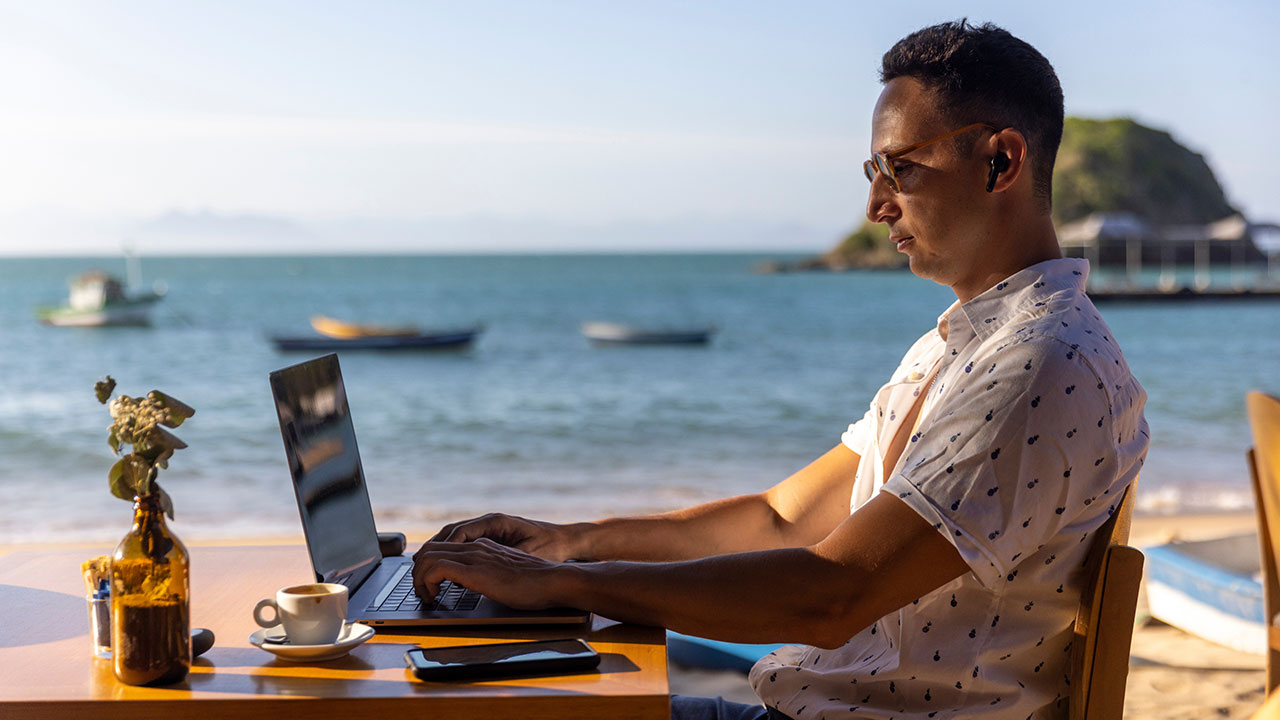
The digital nomad lifestyle involves working remotely from various locations around the world, often embracing a nomadic lifestyle and experiencing new cultures. This flexible approach to work allows for greater freedom and control over one’s schedule and environment. It’s a lifestyle choice, not a guaranteed path to wealth, and requires significant self-discipline and planning.
The core principle of digital nomadism is the ability to work from anywhere with a reliable internet connection. This empowers individuals to blend work with travel, experiencing different cultures and environments. The focus is on output, not location, and the necessary tools for success include a strong work ethic, excellent communication skills, and the ability to manage time effectively.
Core Principles of Digital Nomadism
Digital nomadism is built on the pillars of remote work, flexibility, and global exploration. It necessitates a shift in mindset, moving away from traditional office hours and rigid work structures. This approach requires individuals to embrace self-discipline and time management skills to maintain productivity and efficiency in varied environments.
Common Misconceptions about Digital Nomadism
A common misconception is that digital nomadism guarantees instant wealth or effortless travel. In reality, it demands dedication, effort, and often, significant initial investment in equipment and travel arrangements. Furthermore, consistent income, reliable internet access, and appropriate visa arrangements are crucial for success. The perception of digital nomadism as a glamorous lifestyle often overlooks the challenges involved. There is no free lunch; it requires a significant commitment and often involves significant sacrifice.
Types of Work Suitable for Digital Nomads
Numerous professions are suitable for the digital nomad lifestyle. These include freelance writing, web development, graphic design, social media management, virtual assistant services, and online teaching. Many remote work opportunities exist, enabling individuals to maintain a flexible work schedule while experiencing the world.
- Freelancing: Freelancing is a popular choice for digital nomads, allowing for flexibility and independent work. Freelancers often work on a project basis, offering services in various fields, including writing, graphic design, and web development. They typically set their hours and manage their projects, offering a high degree of freedom.
- Virtual Assistance: Virtual assistants offer administrative and technical support to clients remotely. This role requires strong organizational skills, proficiency in software applications, and excellent communication skills. Tasks may range from scheduling appointments to managing emails and social media.
- Online Teaching: Educators can leverage online platforms to provide instruction globally. This includes creating and delivering online courses, webinars, and workshops, making it an accessible and flexible option for teachers.
Benefits and Drawbacks of Digital Nomadism
Digital nomadism offers a unique blend of advantages and disadvantages. The flexibility to work from anywhere in the world, experience new cultures, and design a personalized schedule are major draws. However, maintaining a consistent work ethic, managing expenses, and dealing with internet connectivity issues can be significant challenges. Additionally, maintaining personal connections and establishing a sense of routine in a constantly shifting environment can be difficult.
Essential Skills and Mindset for Success, Digital nomads for dummies
Strong self-discipline, effective time management, and excellent communication skills are paramount for digital nomads. Adaptability, resilience, and a proactive approach to problem-solving are crucial in navigating the challenges of remote work and international travel. Digital nomads must also master the art of remote collaboration and develop strong organizational skills to manage their workflow efficiently.
Remote Work Setups Comparison
| Setup | Pros | Cons |
|---|---|---|
| Co-working space | Community, networking opportunities, and access to amenities | Potentially higher costs, noise, and less privacy |
| Home office | Privacy, flexibility, cost-effectiveness | Potential distractions, isolation, and lack of community |
| Hostels/Airbnb | Budget-friendly, social interaction | Limited space, shared facilities, and less privacy |
The table above provides a general overview of different remote work setups. Each option presents its own set of advantages and disadvantages, and the best choice depends on individual preferences, budget, and work style.
Planning Your Digital Nomad Journey

Source: amazonaws.com
Embarking on a digital nomad adventure requires meticulous planning. This involves more than just packing your bags; it’s about strategically preparing for the lifestyle shift, considering practical aspects like finances, legal requirements, and the best locations to thrive. Understanding your needs and the specifics of your situation is crucial for a smooth and fulfilling journey.
A well-structured approach to planning will set you up for success, minimizing potential hiccups and maximizing your experience. This involves a step-by-step process, careful financial management, and thorough research on the various aspects of the digital nomad lifestyle.
Step-by-Step Guide to Planning a Digital Nomad Trip
A systematic approach is essential for a smooth transition. Begin by defining your goals and desired lifestyle. Consider the type of work you want to do, your ideal living environment, and your preferred pace of travel. Next, conduct thorough research on potential destinations, focusing on factors like cost of living, internet access, and safety. Develop a budget that accounts for your expenses and savings. Explore visa options tailored to your situation. Once you’ve identified a suitable destination, book accommodations, secure your internet connection, and plan your activities. Finally, establish a routine that blends work and leisure to maintain a healthy balance.
Checklist for Preparing Your Finances
Careful financial planning is crucial for a successful digital nomad journey. This includes creating a detailed budget that considers all potential expenses, from accommodation and internet to food and entertainment. Establish an emergency fund to cushion against unforeseen circumstances. Consider exploring different methods of income generation, such as freelance work or investments, to ensure a steady flow of funds.
- Detailed budget outlining all anticipated expenses (accommodation, internet, food, transportation, entertainment).
- Emergency fund for unexpected situations (medical emergencies, equipment malfunctions).
- Alternative income streams, such as freelance work or investments, can help ensure financial security.
- Strategies for managing currency exchange and international payments.
- Method for sending money home or managing international transactions.
Visa Options for Digital Nomads
Navigating the visa landscape is a crucial step. Digital nomad visas are gaining popularity, offering a streamlined path to legal residency for remote workers. These visas often require meeting specific criteria, such as a minimum income threshold or proof of sufficient funds. Research visa options tailored to your nationality and the destination country. Some countries offer longer-term work permits, while others may allow short-term stays for remote work.
Locations Suitable for Digital Nomads
Several locations cater to the digital nomad lifestyle, offering a combination of affordability, reliable internet access, and a safe environment. Factors to consider include the cost of living, quality of internet infrastructure, safety and security, and cultural attractions. Popular destinations such as Bali, Thailand, and parts of South America offer a mix of affordability and vibrant culture. Others, like the U.S., have a higher cost of living but offer established digital nomad communities.
Comparison of Digital Nomad Communities
Different digital nomad communities offer unique advantages. Some communities emphasize networking and collaboration, while others focus on a relaxed, independent lifestyle. Factors like the size of the community, the local culture, and the type of activities available contribute to the unique experience. Consider your personality and preferences when choosing a community that resonates with you.
Budgeting and Saving for a Successful Digital Nomad Journey
Effective budgeting is key to a successful digital nomad journey. Track your expenses meticulously to identify areas where you can cut costs. Prioritize saving a portion of your income to build a financial safety net. Consider investing in tax-advantaged accounts or other financial instruments to grow your savings over time. This strategy will ensure your financial well-being during your travels.
Pros and Cons of Popular Digital Nomad Destinations
| Destination | Pros | Cons |
|---|---|---|
| Bali, Indonesia | Affordable cost of living, beautiful scenery, vibrant culture | Can be crowded, potential language barrier |
| Thailand | Delicious food, rich history, beautiful beaches | Traffic congestion in major cities, visa requirements |
| Portugal | Relatively affordable cost of living, friendly people, and excellent food | Weather can be unpredictable, visa restrictions |
| Costa Rica | Stunning nature, wildlife, and excellent internet access | Higher cost of living compared to some Southeast Asian destinations, and some areas can be remote |
| Vietnam | Affordable cost of living, rich culture, beautiful landscapes | Language barrier can be a challenge, varying internet access quality |
Essential Tools and Resources
Embarking on the digital nomad journey requires careful planning and the right tools. This section details the essential resources for staying connected, productive, and safe while exploring the world. From reliable internet access to managing finances and well-being, we’ll cover the crucial elements for a successful nomadic experience.
Staying Connected and Productive
Staying connected and productive while traveling is key to a smooth digital nomad experience. Essential tools include a high-quality laptop or tablet, a reliable mobile phone, and robust internet access. A portable charger is also vital to ensure uninterrupted work sessions.
- High-Speed Internet: Reliable internet access is paramount. Consider using mobile hotspots, Wi-Fi-enabled devices, or VPNs to access the internet. Pre-paid SIM cards with data plans can be cost-effective in many locations.
- Communication Tools: Instant messaging apps like WhatsApp, Telegram, or Signal are useful for quick communication. Consider using video conferencing tools like Zoom or Google Meet for virtual meetings and collaborations.
- Productivity Software: Tools like Google Workspace (Docs, Sheets, Slides), Microsoft Office 365, or specialized project management software (Asana, Trello) help maintain organization and efficiency while working remotely.
Finding Reliable Internet Access
Finding dependable internet access is a significant aspect of the digital nomad lifestyle. Researching reliable Wi-Fi hotspots and exploring options like cafes, coworking spaces, or libraries in advance can significantly impact productivity. Utilizing mobile data or portable Wi-Fi devices can also provide internet access in areas with limited options.
- Co-working Spaces: Co-working spaces often offer reliable internet connections and a collaborative environment. Consider subscribing to a membership or visiting for specific projects or tasks.
- Public Libraries: Many public libraries provide free Wi-Fi access, and this can be a budget-friendly option for accessing the internet.
- Cafes and Restaurants: Cafes and restaurants frequently offer Wi-Fi, making them convenient locations for working or connecting.
Digital Security and Privacy
Digital security and privacy are crucial for digital nomads. Protecting personal information and sensitive data is essential, especially when using public Wi-Fi. Employing strong passwords, using a VPN, and regularly updating software and applications are important measures to consider.
- Strong Passwords: Use strong, unique passwords for all online accounts.
- VPN Usage: Employ a Virtual Private Network (VPN) to encrypt your internet traffic, especially when using public Wi-Fi.
- Software Updates: Regularly update your operating system, applications, and security software to patch vulnerabilities.
Managing Finances
Managing finances while traveling requires careful planning and the right tools. Open international bank accounts, utilize budgeting apps, and research international money transfer options.
- International Bank Accounts: Consider opening a bank account in a region you’re traveling to for better exchange rates and to avoid international transaction fees.
- Budgeting Apps: Use budgeting apps to track expenses and ensure financial stability.
- Money Transfer Options: Explore options like Wise or similar services for efficient and cost-effective international money transfers.
Staying Healthy and Managing Well-being
Maintaining well-being and health during extended trips is important. This includes scheduling regular exercise, maintaining a healthy diet, and prioritizing sleep.
- Regular Exercise: Incorporate regular exercise into your daily routine, whether it’s a morning jog, a gym session, or exploring a new location on foot.
- Healthy Diet: Prioritize a healthy diet with fresh produce and balanced meals, especially when eating out in new locations.
- Prioritize Sleep: Establish a consistent sleep schedule to maintain energy levels and avoid burnout.
Useful Apps for Digital Nomads
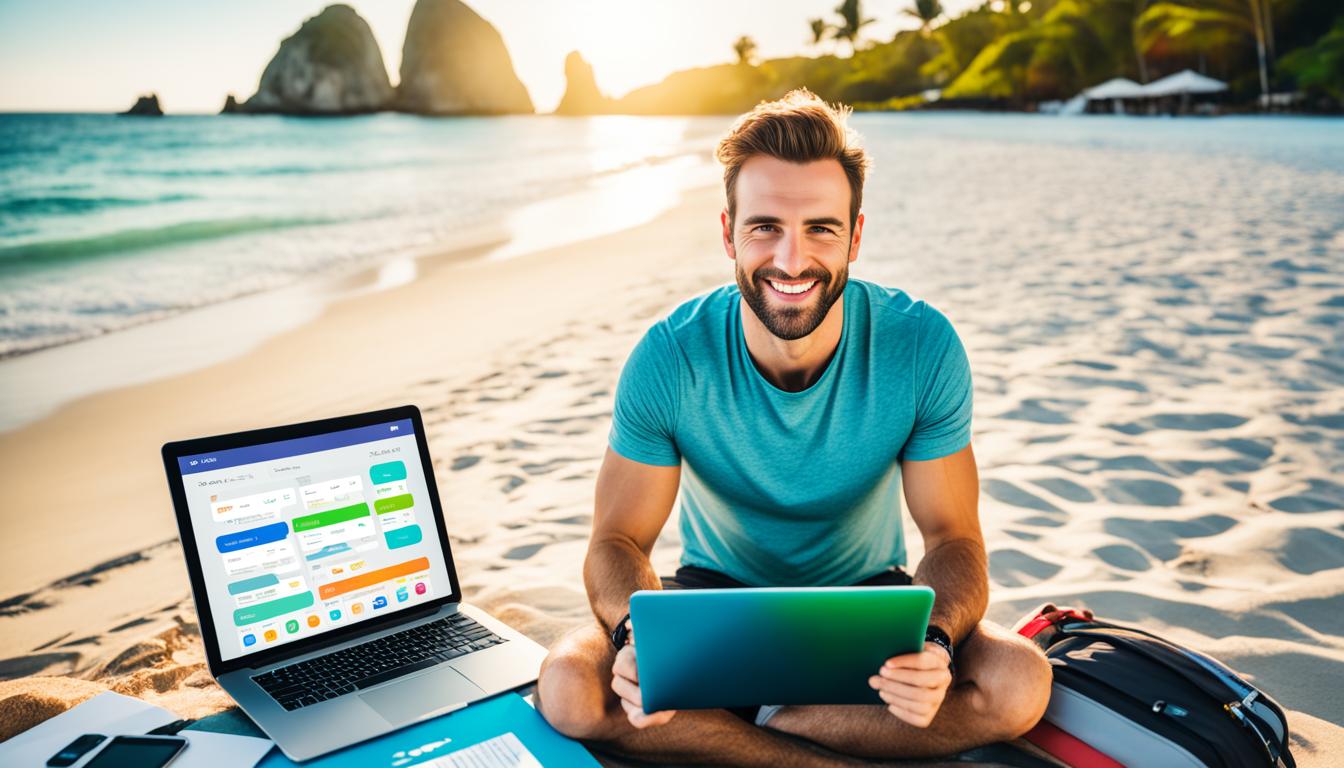
A variety of apps can simplify the digital nomad experience.
| Category | App |
|---|---|
| Communication | WhatsApp, Telegram, Zoom |
| Finance | Wise, Revolut, PocketGuard |
| Travel | Hostelworld, Airbnb, Google Maps |
| Productivity | Trello, Asana, Evernote |
Setting Up a Home Office
Setting up a home office in a co-working space or hostel requires flexibility and adaptability. Optimize the available space, utilize portable furniture, and leverage the amenities offered by the location.
- Co-working Spaces: Utilize designated work areas or find a quiet corner within the co-working space. Take advantage of the communal resources available.
- Hostels: Look for quiet areas or utilize communal tables and chairs in the hostel’s common areas. Consider using a portable desk or laptop stand.
Overcoming Challenges and Staying Motivated
Embarking on the digital nomad journey is exhilarating, but it’s also filled with potential hurdles. Navigating unfamiliar territories, maintaining productivity, and preserving mental well-being are key aspects of a successful nomadic experience. This section dives into strategies for overcoming common challenges and staying motivated throughout your travels.
Successfully navigating the digital nomad lifestyle requires a proactive approach to addressing potential setbacks. This includes understanding the typical difficulties, establishing healthy routines, and fostering a supportive network. Effective strategies for maintaining a positive mindset and avoiding burnout are crucial to long-term enjoyment.
Common Challenges and Solutions
Digital nomads face a range of challenges, from adapting to new environments to managing the isolation that can come with constant travel. Understanding these difficulties and developing coping mechanisms is essential for a smooth and fulfilling journey.
- Homesickness and Loneliness: Homesickness is a common experience, particularly during the initial stages of travel. Recognizing that this is a normal reaction and actively seeking out ways to connect with others is important. Joining online communities, attending local events, or engaging with local groups can help alleviate feelings of isolation and foster a sense of belonging. Connecting with family and friends back home through regular video calls and messaging can also be helpful.
- Maintaining Work-Life Balance: The blurred lines between work and personal life can be a significant challenge. Establishing clear boundaries, creating a dedicated workspace, and scheduling downtime are vital for preventing burnout. Prioritizing self-care activities, like exercise, healthy meals, and relaxation, can also help maintain equilibrium.
- Staying Motivated and Productive: Maintaining focus and productivity while constantly moving from one location to another can be difficult. Creating a consistent daily routine, incorporating regular exercise and breaks, and utilizing time management tools are effective strategies. Setting realistic goals and rewarding yourself for achieving them can also boost motivation.
Building a Supportive Network
Connecting with other digital nomads can be invaluable. Sharing experiences, advice, and support can provide a strong sense of community and resilience.
- Online Communities: Numerous online forums and social media groups cater to digital nomads. These platforms offer a wealth of information, support, and networking opportunities.
- Local Meetups: Attending local meetups and events in new destinations is a fantastic way to connect with fellow travelers and locals. These interactions can foster valuable relationships and broaden perspectives.
- Networking Events: Participating in networking events, workshops, or conferences relevant to your field can provide valuable connections and insights.
Dealing with Burnout and Mental Well-being
Maintaining mental well-being is crucial for any digital nomad. Strategies for managing stress, burnout, and maintaining a positive outlook are essential.
- Prioritizing Self-Care: Regular exercise, a healthy diet, sufficient sleep, and mindfulness practices are fundamental for maintaining physical and mental well-being. Making time for activities that bring joy and relaxation is vital.
- Seeking Professional Support: If you’re struggling with burnout, depression, or anxiety, seeking professional support is a sign of strength. Online therapy or counseling services can provide accessible support.
- Creating a Routine: Establishing a consistent daily routine, including dedicated work hours, breaks, and personal time, helps maintain structure and reduces stress.
Connecting with Local Communities
Immersion in local cultures is a rewarding aspect of digital nomadism. Connecting with communities in new destinations can enhance the overall experience.
- Local Events: Attend local events, festivals, and gatherings to interact with residents and gain a deeper understanding of the culture.
- Volunteer Opportunities: Volunteering in local organizations provides a meaningful way to connect with communities and contribute to a cause.
- Language Exchange Programs: Participating in language exchange programs can facilitate communication and build bridges with local people.
Epilogue
In conclusion, embracing the digital nomad lifestyle requires careful planning, adaptability, and a proactive approach to work and well-being. This guide has provided a structured approach to understanding the lifestyle, preparing for the journey, and navigating the challenges. From essential tools to overcoming hurdles, we’ve covered the key aspects of becoming a successful digital nomad. Now, go out there and explore the world, one productive day at a time!