Student Discount Hotels A Budget-Friendly Guide
A great approach for students to travel on a tight budget is through student discount hotels. These lodgings serve a broad spectrum of student demographics, each with specific travel requirements and interests, including undergraduates, graduate students, and overseas researchers. Finding the ideal student discount hotel that meets specific demands requires an understanding of these groups and their preferences.
The advantages of these lodging options, the many collaborations between hotels and student organizations, and the crucial role that technology plays in the reservation process are all covered in detail in this comprehensive reference to student cheap hotels. To give a thorough picture of how these hotels satisfy the needs of today’s students, we will also look at the particular requirements of different student groups.
Identifying Target Student Demographics
A wide variety of student demographics, each with distinct travel interests and habits, are served by student cheap hotels. Optimizing the hotel experience and successfully targeting marketing initiatives require an understanding of these particular needs. The main demographics of students who book rooms at student discount hotels are examined in this investigation, along with their usual preferences and travel habits.
Undergraduate Students
Short-term stays at student discount hotels are common among undergraduate students, who are usually between the ages of 18 and 22. Weekend getaways, semester breaks, and attendance at athletic events or academic conferences are common reasons for these visits. For this demographic, affordability is a top concern, followed by handy locations near university or transportation centers. In order to promote a social environment, they frequently look for cozy lodgings with shared areas or facilities.
Graduate Students
Graduate students, often aged 22 to 29, prefer student discount hotels for extended stays, such as throughout the school year or for research projects. Their travel patterns frequently include attending conferences, visiting libraries, and conducting fieldwork. Travel destinations may include research facilities, academic cities, or large metropolitan places with abundant resources. Important considerations include easy access to libraries, study places, or meeting rooms, as well as reasonable rates and pleasant accommodations.
International Students
International students, whose ages might vary greatly depending on their program and place of origin, frequently use student discount hotels for short- and long-term visits. Their travel patterns are greatly influenced by the length of their studies and the academic calendar. They routinely travel to their home countries or participate in cultural exchanges, often taking pauses from their studies. This group prioritizes cost, closeness to colleges or research institutions, and accommodations that allow them to mingle with other international students.
Student Demographics Comparison, Student Discount Hotels
| Demographic Group | Typical Age Range | Common Travel Destinations | Key Priorities when Choosing a Hotel |
|---|---|---|---|
| Undergraduate Students | 18-22 | Nearby cities, campuses, and popular tourist areas | Budget-friendliness, convenient location, comfortable social atmosphere |
| Graduate Students | 22-29 | Research facilities, academic cities, metropolitan areas | Convenient access to resources, affordable rates, and comfortable accommodations |
| International Students | Varies significantly | Home countries, cultural exchange events, and university locations | Affordability, proximity to universities, accommodations fostering interaction with other international students, and language accessibility |
Exploring the Benefits of Student Discounts: Student Discount Hotels

Source: co.uk
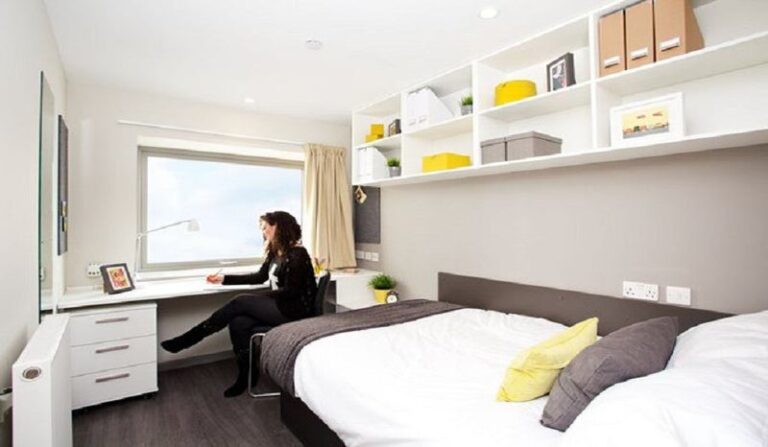
Student cheap hotels provide an appealing value offering for budget-conscious students. These lodgings combine affordability with convenient services, making them a viable alternative to regular hotels and other low-cost options. Understanding the unique benefits and potential drawbacks of student discounts, as well as how they compare to other budget-friendly options, is critical for making informed decisions.
The biggest advantage of student discount hotels is huge cost savings. These reductions can drastically reduce the total cost of a stay, allowing students to stretch their budgets and maximize their travel experiences without sacrificing comfort or location. This cost-effectiveness is especially crucial for students with limited funds.
Value Proposition of Student Discount Hotels
Student discount hotels specialize in providing affordable lodging options for students. The value proposition goes beyond the price decrease. Many provide identical features to traditional hotels, such as pleasant rooms, basic amenities, and handy locations, without the hefty price. This enables students to have a comfortable stay without breaking the bank.
Cost Savings Compared to Regular Hotels
Student cheap hotels provide significant cost reductions over normal hotels. The savings can take the shape of percentage discounts on lodging rates, free nights, or other special offers. For example, a student discount may provide a 20% discount on a regular room, resulting in significant savings over a multi-night stay. This price differential can play a significant role in making a student discount hotel a viable alternative.
Comparison with Other Budget-Friendly Accommodations
Student discount hotels provide a unique blend of affordability and comfort. In comparison to hostels, student budget hotels offer more privacy and comfort, with individual rooms and frequently shared bathrooms. Student discount hotels often have greater amenities and locations than budget motels, and they may be in more convenient regions. This makes them a viable choice for people looking for a pleasant, cheap stay without the community feel of a hostel.
Types of Discounts Available
Student cheap hotels provide a wide range of discounts, allowing students to optimize their savings. Common varieties include percentage reductions on lodging prices, free nights, and special offers. These types of deals are frequently offered in travel firms or booking sites geared for student travelers.
Student Discount Hotels vs. Hostels: A Comparative Analysis
| Feature | Student Discount Hotel | Hostel |
|---|---|---|
| Privacy | Generally more private, with private rooms and often shared bathrooms. | Less private, with dorm-style rooms and shared facilities. |
| Amenities | Typically offers standard hotel amenities (e.g., Wi-Fi, basic toiletries). | Amenities may be limited, depending on the hostel. |
| Cost | Often more expensive than hostels but cheaper than regular hotels. | Generally, the most budget-friendly option. |
| Location | Can be in convenient locations, near universities, city centres, or attractions. | May be located in more central areas or areas with fewer amenities. |
| Social Interaction | Limited opportunities for social interaction compared to hostels. | Provides opportunities for social interaction with fellow travellers. |
Student budget hotels and hostels cater to a variety of requirements and tastes. Hostels offer a sociable atmosphere and great value, whilst student bargain hotels provide greater privacy and amenities. The decision is based on the individual’s priorities.
Analyzing Hotel Partnerships and Programs
Hotels use strategic collaborations with student organizations and educational institutions to efficiently target and market their student discount programs. These arrangements frequently involve mutual benefits, with students having access to low-cost lodging and hotels benefiting from increased visibility and potential consumer loyalty.
Hotels use a range of strategies to attract students and effectively promote their student discounts. These approaches frequently blend digital marketing strategies with more traditional promotional tactics.
Partnership Types with Student Organizations
Hotels frequently partner with student organizations and campus groups to provide student discounts. These collaborations frequently include co-branding activities, collaborative promotions, and special access to hotel amenities for students. Hotels, for example, may support student events or offer discounts for group bookings booked by student clubs or groups.
Partnership Strategies for Attracting Students
Hotels use a variety of marketing methods to recruit students. These initiatives usually rely on internet platforms, social media marketing, and partnerships with student influencers or ambassadors. They also use university-specific promotional materials like campus activities and posters.
Successful Student Discount Programs
Many hotel chains have successfully implemented student discount schemes. These programs frequently offer tiered discounts based on student status, educational institution connection, or group size. For example, certain businesses may provide discounts to students at specific institutions or schools. Another idea is to provide discounted rates for students who travel in groups.
Example of Successful Programs
Hilton Honors routinely interacts with universities and colleges to provide students exclusive incentives. These advantages may include lower accommodation prices and the possibility of earning rewards points. Similarly, Marriott Bonvoy routinely joins with student organizations to provide exclusive benefits.
Partnership Strategies Summary
| Hotel Chain | Partnership Type | Discount Structure | Target Student Group |
|---|---|---|---|
| Hilton | University Partnerships, Co-branding with student organizations | Tiered discounts based on student status, group size, and educational institution | Students enrolled in participating universities |
| Marriott | Campus-wide Promotions, Partnerships with student groups | Discounted rates for group bookings, exclusive access to amenities | Students enrolled in participating universities, groups associated with specific organizations |
| Hyatt | Exclusive deals for student travel, partnerships with student groups | Percentage-based discounts, early booking discounts | Students, and specific student group members |
| IHG | Partnerships with student travel organizations, university-specific programs | Percentage-based discounts, special packages for students | Students from specific universities, students associated with student travel organizations |
Discussing the Role of Technology in Booking
Technology has transformed how students search for and book student cheap hotels. This change has substantially shortened the procedure, providing more ease and access to a broader selection of options. The availability of user-friendly internet platforms and mobile applications has become crucial for students looking for low-cost housing options.
Modern technology plays an important role in the entire booking process. From initial research to final confirmation, digital tools have made it easier for students to identify and book the best student discount hotels. This has also increased openness in pricing and availability, allowing students to make more educated judgments.
Impact on the Booking Process
The impact of technology on the booking process for student discount hotels is significant. Students no longer have to rely on traditional means such as printed brochures or phone calls. Online platforms and mobile applications offer rapid access to a wide range of student discount hotels, allowing students to compare pricing, amenities, and ratings in minutes.
Online Platforms and Mobile Applications
Students rely heavily on online platforms and mobile applications to find and book student discount hotels. Popular travel aggregators, specialist student travel websites, and hotel websites all have user-friendly interfaces that allow students to browse possibilities. These systems enable students to quickly compare costs, facilities, and locations, allowing them to find the best lodging for their needs.
Organizing and Presenting Student Discount Hotel Options
Student discount hotel options can be efficiently structured and displayed online using a variety of approaches. Filters, sorting tools, and user-friendly interfaces can help students narrow down their searches based on location, price range, amenities, and reviews. Clear categorization of hotels based on student discounts and associated benefits is essential for easy navigation. The usage of high-quality photographs and informative information about each hotel can improve the user experience and help with the selection process. Websites specialized to student travel can prominently display student-specific specials and discounts, making it easier to find deals.
Importance of User-Friendly Online Booking Platforms
“A well-designed online booking tool is essential for students looking for student discount hotels. A positive user experience requires easy navigation, clear presentation of options, and effective search functionality. This eventually leads to increased satisfaction and conversion rates.
Students frequently have limited time and resources. They save time and frustration by using a simple, intuitive interface, which makes the booking process effortless.
Final Summary
Finally, student discount hotels offer a clever and cost-effective travel choice for students. Students may navigate the world of inexpensive travel with confidence if they understand the unique needs of different student groups, the many cooperation models between hotels and educational institutions, and the impact of technology on booking processes.