Tourist 360 A Holistic Travel Vision
Tourist 360 represents a revolutionary approach to travel, encompassing a multifaceted experience that goes beyond traditional sightseeing. It blends immersive cultural immersion with cutting-edge technology, sustainability, and personalized itineraries. This holistic perspective elevates the traveler’s journey, offering unique insights into destinations and fostering a deeper appreciation for local communities and their stories.
This approach combines the best of experiential tourism with innovative technologies, such as virtual reality and augmented reality, to create bespoke travel experiences. The evolution of tourism is evident in this new model, which acknowledges the importance of sustainability and responsible travel practices. Different business models underpin these experiences, from curated tours to personalized travel apps, each contributing to the overall transformation of the tourism landscape.
Defining Tourist 360
Tourist 360 represents a paradigm shift in the tourism industry, moving beyond the traditional model of simply visiting a destination to a holistic, immersive, and data-driven experience. It encompasses a comprehensive approach to tourism that integrates technology, personalized experiences, and a deep understanding of the needs and desires of both the traveler and the destination. This multifaceted approach allows for a more sustainable and engaging tourism model, benefiting all stakeholders.
This evolution of tourism is characterized by a focus on the entire journey, from pre-trip planning and booking to post-trip engagement. It leverages technology to enhance every aspect of the travel experience, empowering travelers with personalized recommendations and seamless interactions, while enabling destinations to manage visitor flows and enhance local economies.
Defining Tourist 360
Tourist 360 is a dynamic, integrated approach to tourism that views the entire traveler journey as a continuous, interconnected experience. From the initial research and planning phase, through the actual visit, and extending to post-trip engagement, Tourist 360 emphasizes a comprehensive, data-driven strategy. This approach differs from traditional tourism, which often focuses primarily on the visit itself. Key characteristics of Tourist 360 include a strong emphasis on personalization, technology integration, and a focus on sustainable practices.
Key Characteristics of Tourist 360
Tourist 360 distinguishes itself from traditional tourism models through several key attributes. The traveler experience is meticulously planned, considering individual preferences and needs. Destinations are more actively involved in shaping the visitor experience, with a focus on cultural immersion and economic benefits for local communities.
- Personalization: Tourist 360 tailors experiences to individual preferences, utilizing data to provide customized recommendations, itineraries, and accommodations. This approach allows travelers to curate their trips to match their specific interests and preferences. For example, a traveler interested in sustainable tourism might be presented with eco-friendly hotels and tours.
- Technology Integration: Tourist 360 leverages digital platforms and technologies throughout the entire traveler journey. This includes mobile apps for real-time information, booking platforms, and virtual reality experiences that allow potential travelers to “experience” a destination before arriving. This technology integration enhances the planning, booking, and on-site experience for travelers.
- Sustainability: Tourist 360 emphasizes the importance of responsible tourism practices. This includes minimizing environmental impact, supporting local communities, and promoting ethical business practices. For example, destinations might encourage travelers to use public transportation or participate in locally-led activities.
Historical Context of Tourism Evolution
The evolution of tourism reflects a gradual shift from mass tourism to more personalized and sustainable experiences. Early tourism focused primarily on accessible locations and standardized experiences. Modern tourism, while leveraging technology, is also more conscious of the impact on the environment and local communities. Tourist 360 represents the next stage of this evolution, emphasizing personalization, technology integration, and a focus on the entire traveler journey.
Comparison with Traditional Tourism
The table below highlights the key differences between traditional tourism and Tourist 360.
| Aspect | Traditional Tourism | Tourist 360 |
|---|---|---|
| Focus | Primarily on the visit itself; often focused on popular attractions and standardized experiences. | Encompasses the entire traveler journey, from pre-trip planning to post-trip engagement, emphasizing personalization and unique experiences. |
| Technology Integration | Limited use of technology; primarily relying on brochures, travel agents, and basic websites. | Extensive use of technology for personalized recommendations, booking, real-time information, and immersive experiences. |
| Customer Experience | Often generic and standardized; limited personalization. | Highly personalized and customized, leveraging data to cater to individual preferences and needs. |
Experiential Tourism and Tourist 360
Experiential tourism prioritizes immersive and engaging interactions with a destination’s culture, activities, and environment. It moves beyond passive sightseeing, aiming to create lasting memories and meaningful connections. Tourist 360, a holistic approach to tourism, complements this by emphasizing a complete and multifaceted perspective of the destination, encompassing all aspects of the visitor’s journey.
Tourist 360 extends the experiential tourism model by integrating digital tools, personalized services, and curated experiences to cater to the individual needs and interests of each tourist. It leverages technology to provide a richer, more customized, and satisfying experience, enhancing the overall tourism journey.
Relationship Between Experiential Tourism and Tourist 360
Experiential tourism forms the core of Tourist 360. By deeply engaging with the destination, tourists gain a richer understanding and appreciation. Tourist 360 builds upon this by offering a comprehensive approach, combining the experiential elements with tailored services, digital tools, and localized knowledge. This integrated strategy creates a holistic and personalized journey.
How Tourist 360 Enhances the Tourist Experience
Tourist 360 enhances the tourist experience by providing a more personalized and immersive journey. This approach goes beyond basic sightseeing, focusing on creating meaningful interactions and experiences that cater to individual interests and needs. By integrating digital platforms, curated activities, and localized expertise, Tourist 360 creates a complete and memorable experience.
Innovative Tourist Experiences Under Tourist 360
Examples of innovative tourist experiences under the Tourist 360 umbrella include virtual reality tours that allow tourists to explore historical sites or natural wonders from the comfort of their accommodation. Personalized itineraries crafted by local experts, considering individual preferences and interests, provide tailored experiences. Interactive cultural workshops, enabling tourists to participate in local crafts or traditions, offer an enriching and engaging experience. These examples demonstrate how Tourist 360 transcends the typical tourist experience, creating a more dynamic and memorable journey.
Core Components of a Tourist 360 Experience
A Tourist 360 experience encompasses several key components, designed to immerse tourists in the destination’s culture and activities.
- Activity 1: Immersive Cultural Immersion: This activity involves participating in hands-on workshops, such as learning traditional pottery techniques or preparing local cuisine. This fosters deeper cultural understanding and creates a tangible connection with the destination’s traditions.
- Activity 2: Personalized Itinerary Planning: A Tourist 360 experience often includes pre-trip consultations with local experts to design personalized itineraries based on individual interests and preferences. This ensures the tourist focuses on activities aligned with their interests.
- Activity 3: Localized Expertise Integration: Engaging local guides, storytellers, or artisans provides a deeper understanding of the destination’s culture and history. This ensures that the information shared is accurate and relevant to the area’s unique character.
Technology and Tourist 360
Technology is fundamentally reshaping the tourist experience, transforming it from a largely reactive process into a highly personalized and proactive journey. This evolution is driven by the increasing accessibility and sophistication of digital tools, which allow travelers to immerse themselves in destinations, plan their trips with unprecedented ease, and tailor their experiences to their specific interests and preferences. The rise of “Tourist 360” is inextricably linked to these advancements.
Technological innovations are crucial in creating the immersive and personalized experiences that define “Tourist 360.” Digital tools empower travelers to explore destinations virtually, connect with local communities, and engage with cultural heritage in new and meaningful ways. This interactive approach to travel fosters deeper connections and a richer understanding of the world.
Role of Digital Tools in Enhancing Travel
Digital tools play a multifaceted role in enhancing the travel journey. They allow for detailed pre-trip planning, real-time information access, and personalized interactions with destinations. This translates to a more streamlined, intuitive, and ultimately more enjoyable experience.
Technologies in Tourist 360
A range of technologies are contributing to the “Tourist 360” experience. These tools span from familiar platforms to emerging innovations, each adding a unique dimension to the travel journey.
| Technology | Description | Impact on Tourist Experience |
|---|---|---|
| Virtual Reality (VR) | VR immerses users in a simulated environment, allowing them to experience a destination virtually before physically visiting. This often includes 360° views, interactive elements, and even simulated interactions with local people or environments. | VR provides a highly engaging and realistic preview of destinations, helping travelers visualize their trip and potentially reducing pre-trip anxiety or uncertainty. |
| Augmented Reality (AR) | AR overlays digital information onto the real world. In a travel context, this might involve interactive maps that highlight local attractions, historical information overlaid on monuments, or virtual tours guiding users through a city. | AR enriches the in-person experience by providing context and additional information about the environment. This deeper engagement with the destination fosters a stronger sense of connection. |
| Personalized Travel Apps | These apps curate travel recommendations, offer personalized itineraries, provide real-time updates, and often integrate with other travel services. | Personalized apps significantly enhance the efficiency and personalization of the travel process. By anticipating traveler needs and preferences, these tools optimize the journey, saving time and effort. |
Emerging Technologies for Tourist 360
Several emerging technologies show promise for revolutionizing the “Tourist 360” experience. These include technologies like AI-powered travel agents that can dynamically adapt to individual preferences, blockchain solutions for secure and transparent transactions, and the increasing use of wearable technology for real-time location-based experiences. These technologies will likely become increasingly integrated into the travel ecosystem, offering ever more seamless and intuitive experiences for the future traveler.
Sustainability and Tourist 360
Tourist 360 models prioritize a holistic approach to tourism, encompassing environmental, social, and economic dimensions. This holistic view recognizes that sustainable practices are crucial for the long-term viability of destinations and the well-being of local communities. Sustainability is not merely an add-on but a foundational element integral to the success of Tourist 360 initiatives.
A truly successful Tourist 360 experience considers the environmental impact of travel, promotes responsible consumption, and fosters positive interactions between tourists and local communities. By adopting sustainable practices, destinations can ensure their appeal extends beyond fleeting trends and resonates with a growing segment of environmentally conscious travelers.
Environmentally Conscious Practices
Many destinations are actively implementing environmentally conscious practices to minimize their ecological footprint. Examples include reducing plastic waste, employing renewable energy sources, and promoting eco-friendly transportation options like electric vehicles and bicycle rentals. Additionally, destinations are working to protect biodiversity through conservation efforts and the creation of protected areas. These actions not only benefit the environment but also enhance the authenticity and appeal of the destination. Destinations often collaborate with local communities and organizations to manage natural resources responsibly. For instance, some destinations are implementing strict regulations on waste disposal and water usage, promoting sustainable agricultural practices, and investing in recycling infrastructure.
Responsible Travel Guidelines
Responsible travel is crucial for minimizing the negative impacts of tourism. Here are key guidelines for tourists engaging in Tourist 360 activities:
- Reduce your environmental impact: Minimize waste generation, conserve water, and choose eco-friendly transportation options whenever possible. Support businesses that prioritize sustainable practices and avoid single-use plastics.
- Respect local cultures and traditions: Learn about the local customs and traditions before your visit. Dress appropriately and be mindful of local sensitivities. Engage with local communities respectfully and support locally owned businesses.
- Support local economies: Choose accommodations, restaurants, and activities that directly benefit local communities. Support local artisans and entrepreneurs. Learn about the economic impact of your choices and how they affect local livelihoods.
Contribution to Local Communities and Economies, Tourist 360
Tourist 360 initiatives can play a significant role in fostering economic growth and community development within destinations. By supporting local businesses and entrepreneurs, these initiatives can generate employment opportunities and increase income for local residents. Furthermore, investments in community infrastructure and facilities, like schools, hospitals, and public spaces, can significantly enhance the quality of life for local communities. Direct economic benefits from tourist spending can be reinvested into community projects, improving the overall standard of living and creating a more sustainable future for all stakeholders. This involves transparency and accountability in how tourist revenue is distributed and utilized, ensuring equitable benefit for the local population.
Business Models for Tourist 360
Tourist 360 experiences demand innovative business models that go beyond traditional tourism offerings. These models must integrate diverse elements like technology, sustainability, and cultural immersion to create truly holistic and memorable journeys. Successful models will cater to the evolving needs and expectations of modern travelers.
A key component of successful Tourist 360 business models is the ability to curate personalized experiences. This involves understanding individual preferences and tailoring offerings to match specific interests. Furthermore, a strong understanding of the local community and environment is critical to ensuring the authenticity and sustainability of these experiences.
Diverse Business Models
Different business models cater to the diverse needs and expectations of modern tourists. These models range from established tour operators to innovative tech-driven platforms. Understanding these models helps in recognizing their unique strengths and weaknesses in the Tourist 360 landscape.
- Integrated Tourism Platforms: These platforms combine various services under one umbrella, offering everything from accommodation bookings to curated tours and activities. This model allows for a streamlined experience, offering tourists a one-stop solution for their travel needs. Key components include a user-friendly interface, a wide range of partner businesses, and a strong focus on personalized recommendations. Potential challenges include maintaining high quality across all partners and navigating complex logistics. Opportunities include substantial growth potential and the ability to collect comprehensive data about traveler preferences.
- Experiential Tour Operators: These operators specialize in unique and immersive experiences. They often partner with local communities, ensuring cultural authenticity and sustainability. Key components include deep local knowledge, strong relationships with local businesses, and a commitment to responsible tourism practices. Potential challenges include managing unpredictable local factors and maintaining financial viability. Opportunities include building a strong brand reputation and creating loyal customer bases through unique experiences.
- Technology-Driven Platforms: These platforms leverage technology to facilitate the planning and execution of Tourist 360 experiences. Key components include user-friendly apps, real-time booking systems, and virtual tours. Potential challenges include the need for constant technological innovation and ensuring data security. Opportunities include increased efficiency, greater personalization, and new avenues for reaching international markets.
- Community-Based Tourism: This model involves local communities taking a central role in the design and delivery of tourist experiences. Key components include partnerships with local businesses, fair compensation for local guides, and a commitment to environmental conservation. Potential challenges include managing the expectations of both tourists and local communities. Opportunities include a sustainable approach to tourism, empowering local communities, and promoting cultural preservation.
Challenges and Opportunities
The Tourist 360 business models face unique challenges. These models must address issues like balancing personalization with scalability, ensuring the sustainability of the experience, and managing potential conflicts with local communities. However, these models also present significant opportunities. Successfully navigating these challenges will allow companies to cater to the growing demand for personalized, authentic, and sustainable travel experiences.
- Competition: The tourism sector is highly competitive, and Tourist 360 models must stand out from the crowd. Strategies include creating unique value propositions, developing strong brand identities, and building a loyal customer base.
- Scalability: Scaling Tourist 360 models while maintaining quality and authenticity is a significant challenge. Strategies include strategic partnerships, technology adoption, and efficient logistics.
- Sustainability: Ensuring environmental and social sustainability is critical to the success of Tourist 360 experiences. Strategies include adopting sustainable practices, minimizing environmental impact, and supporting local communities.
“Example of a Successful Business Model: The “Wanderlust Collective” offers personalized travel experiences curated by local experts. Their focus on authenticity and sustainability resonates with a growing segment of travelers seeking unique cultural immersion. By partnering with local artisans and businesses, they ensure a direct economic benefit for the community, contributing to a more sustainable tourism model. This model combines the expertise of local guides with the convenience of a centralized platform, creating a strong and successful Tourist 360 experience.”
Case Studies of Tourist 360
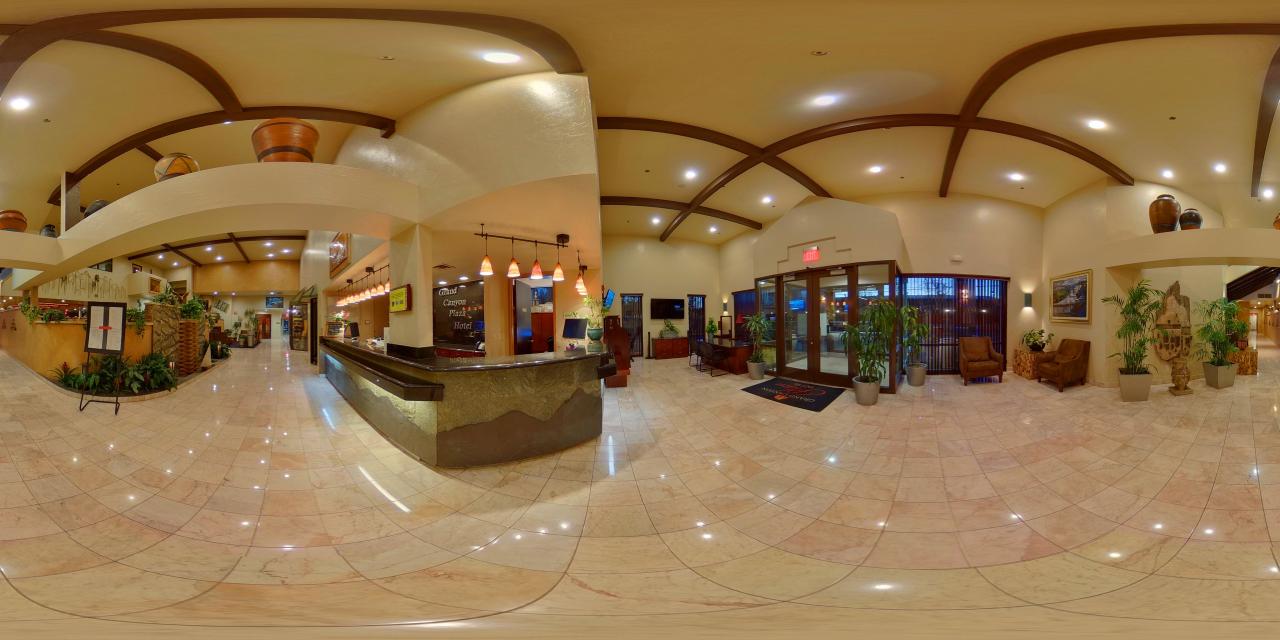
Source: grandcanyonplaza.com
Examining successful implementations of Tourist 360 models offers valuable insights into best practices and potential pitfalls. These case studies highlight how destinations are adapting to evolving tourist expectations and adopting innovative approaches to tourism management. Lessons learned from these examples can inform the development of future strategies for achieving a holistic and sustainable tourism experience.
Destination Iceland: A Model for Experiential Tourism
Iceland’s approach to Tourist 360 integrates cultural immersion, adventure activities, and sustainable practices. The country’s unique natural beauty, including glaciers, volcanoes, and geothermal landscapes, provides an unparalleled backdrop for a variety of experiences. Iceland has cultivated a strong brand around its natural wonders and authenticity, attracting tourists who seek beyond the typical tourist hotspots.
Iceland’s approach to Tourist 360 is multifaceted, encompassing the following key elements:
- Cultural immersion: Traditional Icelandic experiences, like horse riding, Northern Lights tours, and visits to historic sites, are combined with modern interpretations of the culture. The country actively promotes the understanding and appreciation of its heritage, engaging tourists with the local community.
- Sustainable practices: Iceland prioritizes environmentally friendly tourism through responsible transportation options, eco-lodges, and waste management initiatives. They emphasize minimizing the environmental impact of tourism while maximizing its economic benefits.
- Technological integration: Iceland utilizes digital tools and platforms to provide tourists with comprehensive information, facilitating bookings, and creating personalized experiences. Interactive maps and apps offer real-time updates on weather, events, and attractions.
Innovative Experiences Offered in Iceland
Iceland offers a diverse range of experiences, appealing to various interests. These include:
- Glacier hiking and ice cave tours: These offer an unparalleled opportunity to experience the raw beauty of Iceland’s glaciers. Experienced guides ensure the safety and enjoyment of participants, and sustainability is prioritized throughout the process.
- Northern Lights tours: These tours combine the thrill of searching for the Northern Lights with insights into Icelandic mythology and folklore. The tours are meticulously planned to maximize the chances of witnessing this spectacular natural phenomenon.
- Whale watching and puffin tours: These offer unique opportunities to interact with the diverse marine life of Iceland. The tours prioritize responsible interactions with wildlife and emphasize the importance of conservation efforts.
Sustainability Practices in Iceland’s Tourist 360 Model
Iceland’s commitment to sustainable tourism is evident in its policies and practices. They focus on minimizing the environmental impact of tourism while ensuring economic benefits for the local communities. This involves a range of initiatives, including:
- Renewable energy: Iceland utilizes geothermal energy to power many of its accommodations and tourist sites, demonstrating a strong commitment to sustainable energy sources.
- Waste reduction: The country actively promotes waste reduction through recycling programs and education initiatives aimed at tourists and residents alike.
- Conservation efforts: Iceland prioritizes conservation of its natural resources and wildlife, ensuring the long-term preservation of these unique assets.
Epilogue
In conclusion, Tourist 360 is more than just a trend; it’s a paradigm shift in how we perceive and engage with travel. It emphasizes a comprehensive understanding of destinations, a personalized customer experience, and a commitment to sustainability. By integrating technology and responsible practices, Tourist 360 paves the way for a more enriching and impactful travel experience for both travelers and local communities. The future of tourism lies in embracing this holistic vision.