University of Warwick Accommodation Your Guide
University of Warwick accommodation offers a diverse range of options for students, from traditional halls of residence to private rentals and student houses. This comprehensive guide explores the various choices available, detailing their features, costs, and student experiences. Navigating the application process and understanding financial support options are also key components of this essential resource.
We’ll delve into the specifics of each accommodation type, comparing their pros and cons, and offering a clear overview of the application procedures. Detailed tables will provide a comparative analysis of costs, facilities, and locations, while insightful student testimonials will offer firsthand perspectives on the student experience.
University of Warwick Accommodation Options
Source: iqstudentaccommodation.com
Warwick offers a variety of accommodation options to suit different needs and budgets. Understanding the diverse choices available is crucial for prospective students. This section details the available options, their pros and cons, and the application process.
The University of Warwick provides a range of accommodation to support students during their studies, from halls of residence to private rentals and student houses. Each option comes with unique characteristics, influencing the student experience in various ways.
Accommodation Types
Various accommodation options cater to students’ preferences and circumstances. Students can choose from halls of residence, private rentals, and student houses. Halls of residence provide a structured environment, while private rentals and student houses offer more independence.
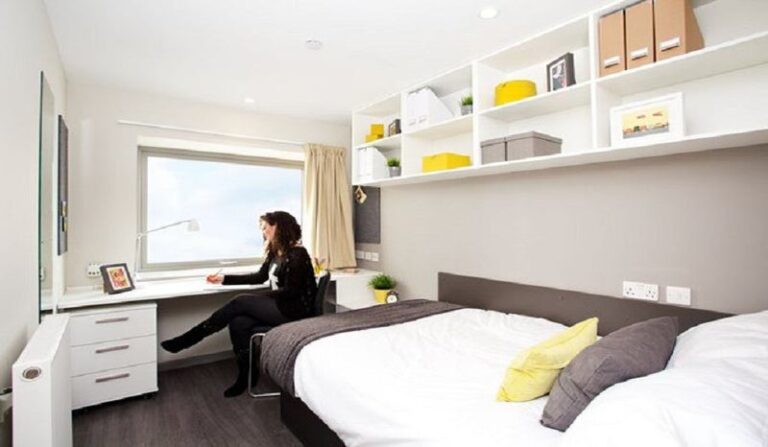
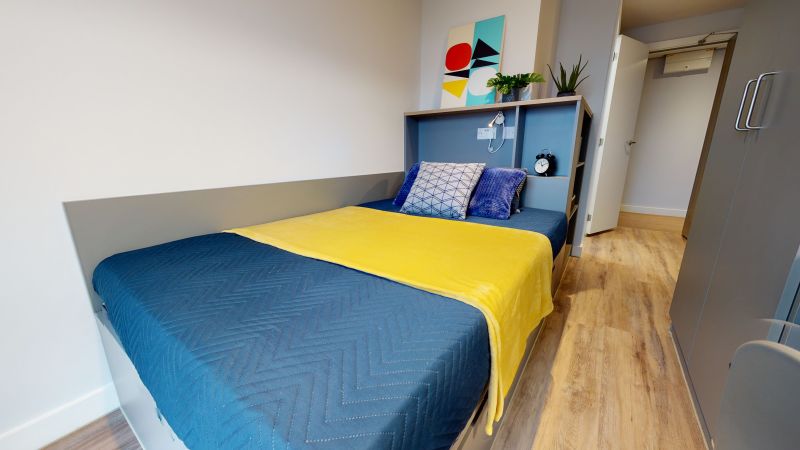
- Halls of Residence: These are university-managed residences offering a range of facilities like kitchens, social spaces, and laundry rooms. Proximity to campus is a significant advantage, allowing easy access to lectures, libraries, and other university services. Halls typically provide furnished rooms, though specific furnishing details may vary.
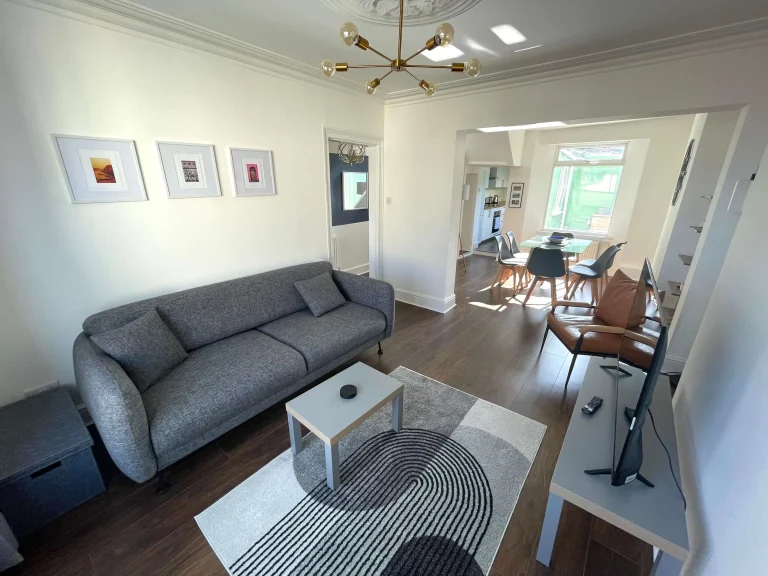
- Private Rentals: These are off-campus accommodations rented independently. Students have more freedom and flexibility in terms of room size, amenities, and location. This often involves more responsibility in managing the accommodation, including utilities and maintenance. The cost can vary depending on the area and the specifics of the rental.
- Student Houses: These are houses specifically designed for students, often in shared accommodation arrangements. They can offer a more social and communal environment, with shared kitchen and living spaces. Student houses often provide access to communal facilities and support services.
Comparison of Accommodation Types
A clear understanding of the pros and cons of each accommodation type is essential. This table compares the key aspects of each option.
| Type | Cost | Facilities | Location |
|---|---|---|---|
| Halls of Residence | Typically mid-range, depending on the specific hall and room type | Furnished rooms, kitchens, laundry facilities, social spaces, and often on-site support services. | Proximity to campus, often within walking distance of teaching facilities and amenities. |
| Private Rentals | Variable, ranging from affordable to more expensive, depending on location and size. | Amenities can vary widely, from fully furnished apartments to unfurnished rooms. Utilities and maintenance are typically the responsibility of the renter. | Can be in various locations, potentially further from campus but offering more independent living options. |
| Student Houses | Generally mid-range, often comparable to halls of residence. | Shared kitchen, living areas, and often laundry facilities. The level of furnishing and amenities will depend on the specific house. | Often slightly further from campus than halls, but within a more residential area. |
Applying for Accommodation
The application process for accommodation is crucial for securing a suitable living space. Students should understand the steps involved and adhere to deadlines.
- Application Deadline: The application deadline for accommodation is a key date to remember. Missing it could result in the loss of an allocated place.
- Application Process: Students will typically apply through the university’s online portal. This involves providing personal details, preferences, and choosing a suitable accommodation option.
- Accommodation Allocation: The university will allocate accommodation based on the applications received and available spaces. Students will be notified of their accommodation placement, including the specific address and room details.
Accommodation Costs and Financial Support
Understanding the financial implications of university accommodation is crucial for planning your studies. This section details the typical costs associated with on-campus and off-campus housing at the University of Warwick, along with the financial aid and bursaries available to support students.
Accommodation Costs Overview, University of Warwick Accommodation
Accommodation costs at the University of Warwick vary significantly depending on the chosen option. On-campus residences typically offer a range of facilities and services, which often come with higher costs compared to off-campus options. Off-campus accommodation, while generally more affordable, may lack some of the amenities and support structures provided by university residences.
On-Campus Accommodation Costs
On-campus accommodation offers a range of options, from single rooms to shared apartments, each with varying levels of amenities and costs. Expect to find a range of pricing based on room type, location, and the specific residence hall. These costs typically include utilities and access to common areas.
Off-Campus Accommodation Costs
Off-campus accommodation options provide greater flexibility in terms of location and choice. However, these options typically involve higher responsibility for managing utilities and other associated costs. Finding suitable off-campus housing often requires dedicated effort in searching and negotiating rental agreements.
Financial Aid and Bursaries for Accommodation
The University of Warwick offers various financial aid and bursary schemes to assist students with accommodation costs. These initiatives aim to make university life more accessible and affordable for all students. Eligibility criteria and application processes may vary based on individual circumstances.
Accommodation Cost Comparison Table
| Accommodation Type | Monthly Rent (Estimated) | Deposit Amount (Estimated) | Other Fees (Estimated) |
|---|---|---|---|
| On-Campus Single Room | £700 – £900 | £500 – £1000 | £50 – £100 (utilities, etc.) |
| On-Campus Shared Apartment | £500 – £700 | £300 – £500 | £25 – £75 (utilities, etc.) |
| Off-Campus Shared Apartment | £400 – £600 | £100 – £300 | £20 – £50 (utilities, etc.) |
Note: The figures in the table are estimates and may vary depending on the specific accommodation and individual circumstances.
Available Funding Sources
- University Bursaries: These are financial awards specifically designed to assist students with accommodation costs, often based on financial need and academic merit.
- Student Loans: Student loans may cover a portion of accommodation costs, although it’s essential to verify eligibility criteria and the specific amounts that can be allocated.
- Scholarships: Some scholarships may include funds for accommodation costs, although the inclusion is not always guaranteed. The criteria for scholarships can vary significantly.
Application Process for Financial Support
The application process for accommodation-related financial support generally involves submitting supporting documentation to the relevant department at the University of Warwick. This documentation typically includes proof of income, financial statements, and any relevant supporting documents.
Student Life and Accommodation Experiences: University Of Warwick Accommodation
Living in university accommodation plays a significant role in the overall student experience at the University of Warwick. It influences social interaction, academic focus, and personal well-being. Understanding the nuances of different accommodation options can help prospective students make informed decisions about their living arrangements.
Different accommodation choices cater to diverse needs and preferences, offering a range of experiences. The social atmosphere, facilities, and proximity to campus all contribute to the student experience, which can vary considerably depending on the chosen option.
Halls of Residence
Halls of residence provide a vibrant social environment, fostering strong bonds and opportunities for interaction with peers. Shared living spaces, social events, and organised activities within the halls encourage a sense of community. Proximity to campus facilities and amenities is typically a strong advantage, often reducing travel time and enhancing convenience.
Off-Campus Accommodation
Off-campus accommodation offers a greater degree of independence and flexibility, allowing students to choose their preferred living style and location. This option often presents more diverse choices in terms of amenities and potentially lower costs compared to halls of residence. However, the level of social interaction and access to campus resources might be less readily available.
Comparison of Social Aspects
The social atmosphere varies significantly between halls and off-campus accommodation. Halls of residence inherently foster a stronger sense of community due to shared living spaces and organised events. Off-campus accommodation, while providing independence, may lead to less spontaneous social interaction with fellow students. Students often find that living with friends can amplify the social experience, regardless of the accommodation type.
Accommodation Facilities and Amenities
Halls of residence typically offer a range of facilities, including communal kitchens, laundry rooms, study areas, and recreational spaces. These amenities contribute to a convenient and supportive living environment. Off-campus accommodation often features different amenities, such as private kitchens and bathrooms, depending on the specific property. Students should thoroughly research the amenities offered by individual options to make a suitable choice.
Advantages and Disadvantages of Different Accommodation Types
| Accommodation Type | Advantages | Disadvantages |
|---|---|---|
| Halls of Residence |
Good facilities, often including study spaces, laundry rooms, and recreational areas. |
It can be more expensive than off-campus options. Limited choice in location or layout. |
| Off-Campus Accommodation |
Potentially lower costs compared to halls of residence. Greater privacy and more freedom. |
Limited access to organised social events and campus facilities. Potential for less immediate social interaction with peers. |
Common Accommodation Issues
Students at the University of Warwick, like those at other universities, sometimes face challenges with accommodation. These can include issues with maintenance, availability of spaces, and difficulties with communication regarding issues. Finding suitable accommodation in a desired location can be a complex process that requires careful planning and proactive steps. Understanding the common problems beforehand can help students mitigate potential issues.
Closure
In conclusion, choosing the right accommodation at the University of Warwick is a crucial step in a student’s journey. This guide has highlighted the myriad options available, offering a detailed comparison of on-campus and off-campus choices. Understanding the costs, facilities, and student experiences will equip prospective students with the knowledge to make an informed decision. Remember to carefully consider your priorities, budget, and social preferences when making your final choice. Ultimately, the best accommodation will contribute to a positive and enriching student experience.